Automotive Parts Manufacturers in Michigan: Five Supplier Gates
by Yu T
Help B2B sales teams map Michigan automotive manufacturers by decision gate and supplier fit.
Michigan remains one of the clearest regional markets for studying automotive manufacturing in North America. The state is home to nearly 19% of U.S. vehicle production, while 96 of the 100 largest automotive suppliers in North America maintain a Michigan presence. It also represents an estimated 55% of U.S. automotive research and development spending, according to the Michigan Economic Development Corporation.
Those numbers make Michigan attractive to B2B suppliers, but prospecting is not simple. A search for automotive parts manufacturers in Michigan brings together global Tier 1 headquarters, specialized Tier 2 factories, engineering centers, tool-and-die companies, prototype builders, testing laboratories, and production sites. Each influences a different part of the purchasing process.
A materials supplier needs access before a component specification is frozen. A cutting-tool vendor belongs closer to machining and tooling operations. Automation providers often find openings during a plant launch, process change, or capacity expansion. Test-equipment suppliers typically enter after a prototype exists and before production approval.
The practical question is: At which decision gate can a supplier enter Michigan's automotive production system?
This guide follows five gates based on engineering influence, process selection, production execution, tooling readiness, and validation. The company examples show how buying logic changes as a vehicle program moves toward repeat manufacturing and help sales teams build a more focused prospect list.
The companies below are research examples reviewed in July 2026 for local relevance, operating model, scale, product categories, and possible use cases. Public-company sales figures come from company disclosures. Private-company employee and revenue figures are directional ranges based on Futern and other public signals; verify their company-wide or facility-level scope before outreach. Sales teams should also confirm facility details, supplier requirements, and decision-maker roles. These examples are not confirmed buyers or evidence of active demand.
How to Read Michigan's Automotive Market Map
Michigan is a network of production and decision nodes, and an address does not reveal the buying role. Headquarters may control category sourcing, technical centers may influence specifications, and factories may purchase operating supplies while strategic materials remain under corporate agreements.
Metro Detroit carries the greatest concentration of headquarters, engineering centers, prototype activity, and supplier leadership. Southfield and Auburn Hills are important for specification and approval work, while Livonia, Roseville, Rochester Hills, Romulus, and Troy add engineering, testing, manufacturing, and laboratory functions.
Western and southwestern Michigan offer stronger visibility into specialized production. Zeeland connects electronics development with manufacturing; Grand Rapids concentrates tooling, plastics, and prototype work; Portage and Battle Creek add interiors and thermal systems. Howell and Macomb are separate process-focused production nodes: Howell contributes stamping, welding, and die work, while Macomb adds high-volume precision machining. Cadillac is a smaller sealing and NVH location anchored here by Michigan Rubber Products.
Sales teams should record decision influence and product consumption separately. Geography identifies where to start; the five gates clarify who influences specifications, processes, equipment, production, or validation.
Gate One: Enter Before the Specification Is Fixed
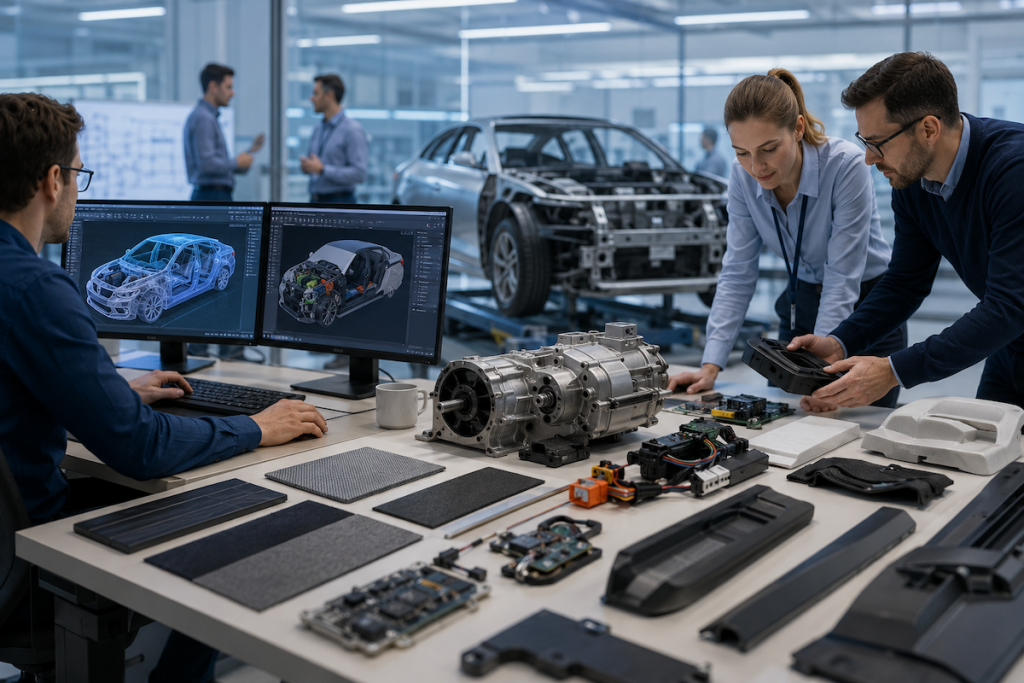
The earliest opportunities appear while an automotive system is being designed. Engineering feasibility, material performance, cost, packaging, safety, and vehicle architecture shape the specification. Suppliers entering here usually need technical evidence, development support, and patience for a long qualification cycle. Gate One concerns product architecture; Gate Four begins after design intent is defined and tools, fixtures, gauges, and validation builds are being prepared.
Lear Corporation
Lear Corporation operates at global scale with more than 10,000 employees and reported 2025 sales of $23.3 billion. Its Southfield headquarters supports seating and E-Systems activities spanning electrical distribution, connectivity, body electronics, wiring, and high-voltage power distribution.
The company contains several purchasing environments. Textile and foam suppliers follow a different route from connector, PCB, molding, or cybersecurity providers. Supplier fit spans seating materials, structural mechanisms, electronics, wiring components, and automation. Sales teams should identify the business unit before researching strategic sourcing, engineering, purchasing, or Michigan plant leadership.
BorgWarner
Headquartered in Auburn Hills, BorgWarner has more than 10,000 employees worldwide and generated approximately $14.3 billion in 2025 sales. Its portfolio crosses combustion, hybrid, and electric platforms through turbochargers, electric drives, inverters, battery-management products, thermal systems, and drivetrain technology.
That breadth makes generic outreach ineffective. A machining supplier needs the relevant propulsion product, while an electronics vendor must distinguish power modules from battery or controls programs. Potential angles include castings, forgings, sensors, seals, magnets, PCB assemblies, power electronics, and thermal components. Verify current programs, approved-supplier requirements, and the Auburn Hills organization's purchasing authority.
Gentex Corporation
Gentex employs roughly 5,001-10,000 people and reported $2.53 billion in consolidated 2025 sales, including $2.27 billion from its core business. Its Zeeland headquarters combines engineering and vertically integrated manufacturing for automatic-dimming mirrors, camera systems, driver monitoring, connected-vehicle electronics, and dimmable products.
Relevant categories include optical glass, CMOS imaging components, coatings, PCBs, connectors, molded plastics, wiring assemblies, SMT equipment, and inspection systems. The entry point depends on whether the offer affects optics, electronics, mechanical packaging, or factory execution. Electronics sourcing, mechanical sourcing, engineering, and plant teams influence different approval stages.
Roush
Based in Livonia, Roush sits in the 1,001-5,000 employee range, with research-based annual revenue of $500 million to $750 million. Its work spans vehicle engineering, prototype builds, emissions and NVH testing, additive manufacturing, low-volume assembly, and contract manufacturing.
Its operating model aligns with prototype materials, data-acquisition systems, additive consumables, CNC services, testing equipment, engineering software, and specialty fabrication. The value lies in development and validation influence, not an assumption that every prototype input becomes a production order. Research should establish the business unit, project stage, facility, and responsible engineering, testing, supply-chain, or manufacturing role.
Gate One usually brings the longest qualification cycle. Suppliers can balance one or two strategic Tier 1 prospects with engineering providers that work across several programs and may offer clearer technical entry points.
Gate Two: Enter When the Manufacturing Process Is Chosen
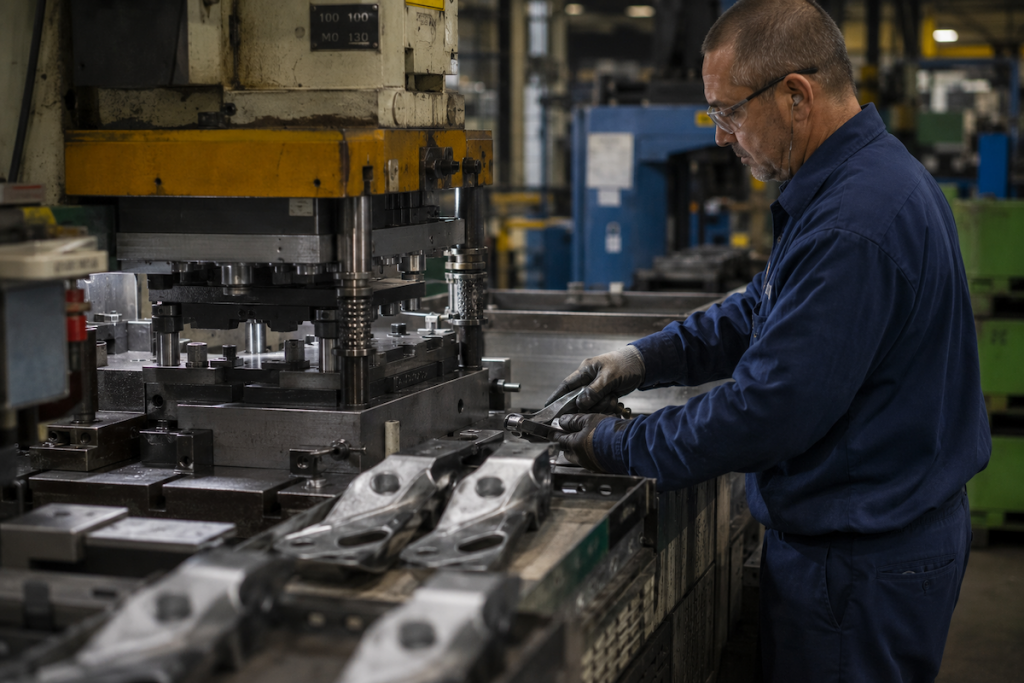
Once a component is viable, attention shifts to how it will be stamped, forged, machined, molded, joined, treated, measured, and inspected. Tool life, yield, tolerance, surface finish, cycle time, and total production cost now drive supplier fit.
Dauch Corporation (Formerly American Axle & Manufacturing)
Dauch Corporation is headquartered in Detroit and has more than 10,000 employees globally. American Axle & Manufacturing Holdings adopted the Dauch name in January 2026, before completing its acquisition of Dowlais in February. The legacy AAM business reported $5.84 billion in 2025 sales; that pre-acquisition figure does not represent the expanded organization. Capabilities include forging, precision machining, heat treatment, driveline systems, gears, shafts, and electric-drive products.
Supplier angles include specialty steel, forging dies, cutting fluids, lubricants, heat-treatment equipment, machine tools, automation, and metrology. The first message should identify the exact process and Michigan operation. Strategic sourcing, process procurement, plant engineering, and facility leadership are separate routes.
Thai Summit America
Thai Summit America Corporation operates with an estimated 501-1,000 employees and annual revenue in the $75 million to $100 million range. Its Howell site produces sheet-metal stampings, welded assemblies, and progressive, line, and transfer dies, supported by in-house tool-and-die capabilities.
Production and tooling create angles around steel coil, die steels, cutting tools, welding consumables, lubrication, CNC die machining, CMM inspection, and equipment. A coil supplier needs material grades and program volumes; a tooling vendor needs visibility into construction, maintenance, tryout, and process improvement. Purchasing, engineering, tooling, production control, and plant roles influence different decisions.
Michigan Production Machining
Research data place Michigan Production Machining in the 51-200 employee band and the $25 million to $50 million annual revenue range. The Macomb company produces high-volume automotive components from ferrous and nonferrous forgings and castings, supported by more than 200 CNC turning and machining centers.
Its process profile points to cast and forged inputs, cutting tools, coolants, toolholding, automation, gauging, parts washing, and machine monitoring. IATF 16949 certification makes quality documentation, traceability, capability studies, and consistency central to approval. Sales teams should identify the component family, material, machining cell, and influence split across purchasing, manufacturing engineering, quality, and plant operations.
Summit Polymers
Summit Polymers employs roughly 3,000 people across its wider operation, with available revenue estimates between $750 million and $1 billion. Headquartered in Portage, it designs injection-molded interior systems including air registers, center consoles, decorative trim, door components, and HVAC interfaces.
Relevant areas include engineering thermoplastics, colorants, decorative films, mold tooling, molding machinery, plating, assembly automation, and packaging. Appearance requirements and OEM specifications can constrain material changes, while production teams focus on mold performance, scrap, cycle time, and repeatability. Materials, tooling, engineering, purchasing, and plant leadership require separate outreach hypotheses.
Gate Two offers clear use-case fit because the process is visible. Mid-sized specialists may be strong early prospects when an offer improves tool life, scrap, throughput, dimensional control, or process stability; global manufacturers demand more evidence and a longer approval path.
Gate Three: Enter Where Repeat Production Is Running
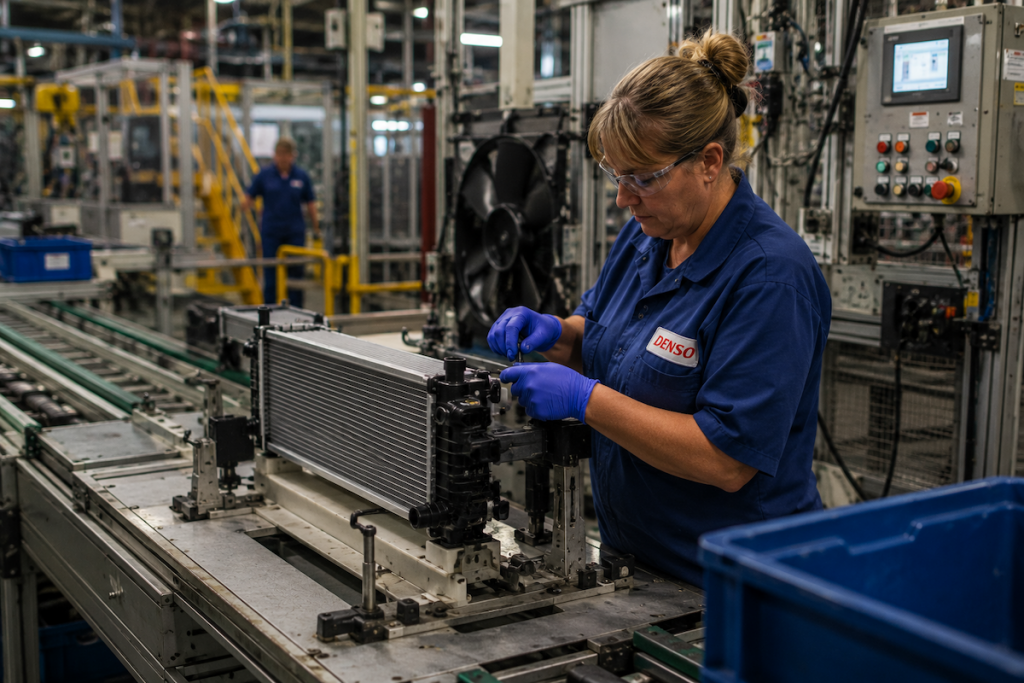
At repeat volume, continuity, quality, maintenance, traceability, delivery, and line uptime shape buying logic. Useful timing signals include plant investment, retooling, new programs, equipment hiring, capacity changes, and quality initiatives, although none proves current purchasing intent.
DENSO Manufacturing Michigan
DENSO Manufacturing Michigan operates a major thermal manufacturing campus in Battle Creek. Recent city employer data place the local workforce at approximately 2,500 employees. The plant produces HVAC units, radiators, condensers, cooling modules, heaters, and other thermal components.
Supplier fit centers on aluminum, brazing materials, molded plastics, sensors, fans, heat-exchanger inputs, automation, maintenance systems, and quality equipment. DENSO's global procurement structure separates plant-influenced categories from materials controlled by regional or corporate agreements. Research should first establish which route governs the proposed product.
Detroit Thermal Systems
Detroit Thermal Systems employs about 700 people at its Romulus operation, with annual revenue estimated between $150 million and $200 million. Its large facility manufactures automotive HVAC systems and climate-control assemblies supported by just-in-time warehousing.
Relevant areas include heat exchangers, molded housings, blower motors, actuators, sensors, assembly automation, packaging, and line-support services. Just-in-time production increases the value of scheduling, containment, and delivery performance. Outreach depends on whether a component is designed internally, nominated by an OEM, or purchased under contract, and may involve supply chain, purchasing, quality, engineering, or operations.
Michigan Rubber Products
Michigan Rubber Products, part of Zhongding USA, operates in Cadillac. Futern and LinkedIn research place the business in the 201-500 employee range, with annual revenue around $100 million. Its products include rubber seals, gaskets, anti-vibration mounts, fluid-handling assemblies, molded components, and rubber-to-metal bonded parts.
Supplier fit spans rubber compounds, steel inserts, bonding materials, mold tooling, presses, test equipment, and quality systems. Material qualification follows automotive performance requirements, while tooling and equipment purchases depend more on plant economics. Verify the product families made in Cadillac, customer-nominated materials, certifications, and whether purchasing authority is local or shared with the parent organization.
Kendrick Plastics
Kendrick Plastics sits in the 201-500 employee range, with estimated annual revenue between $75 million and $100 million. The Grand Rapids manufacturer produces decorative interior trim through injection molding and engineered assembly, including door-panel trim, instrument-panel components, and center-console products.
Decorative interiors combine polymer performance, color, grain, finish, dimensional stability, and appearance approval. Supplier angles include engineering thermoplastics, molds, maintenance services, films, colorants, automation, inspection, and protective packaging. Inputs affecting visible surfaces often give engineering and quality teams as much influence as purchasing.
Gate Three rewards plant-specific messages tied to uptime, quality, yield, delivery, or maintenance. The facility, process, installed equipment, and local purchasing authority matter more than broad claims about serving automotive manufacturers.
Gate Four: Enter Before Tooling and Prototypes Lock the Program
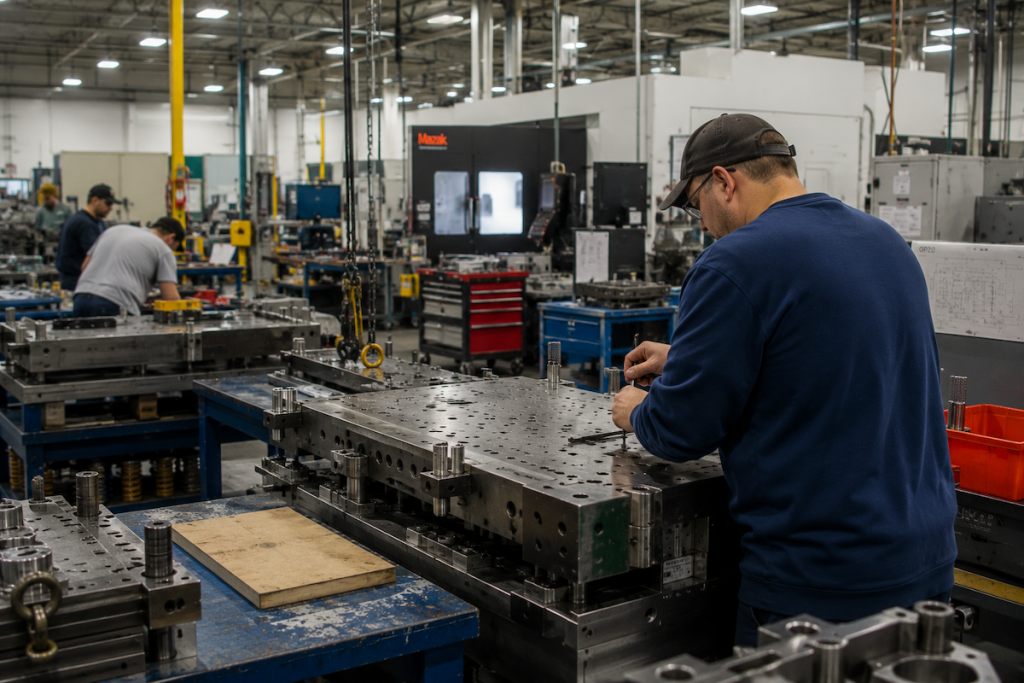
Tools, dies, fixtures, prototypes, gauges, and validation builds connect engineering intent with repeat manufacturing. These companies buy smaller volumes than production plants but often value responsiveness, precision, customization, and technical support as much as unit price.
Autodie
Autodie LLC, a wholly owned Stellantis subsidiary, operates a Grand Rapids tooling facility with roughly 201-500 employees and a research-based revenue range of $50 million to $75 million. Its work includes large stamping dies, die engineering, CNC machining, tryout, validation, modification, and repair.
Supplier fit includes die steel, castings, forgings, large machining systems, cutting tools, CAD/CAM technology, heat treatment, inspection, and finishing. Project timing makes facility investment, equipment additions, hiring, and program awards useful signals. Purchasing handles commercial terms, while engineering, operations, and die specialists determine technical acceptance.
ArtiFlex Manufacturing
ArtiFlex Manufacturing falls within the 501-1,000 employee band across its wider operation, with revenue estimates of $75 million to $100 million. Its Grand Rapids and Warren capabilities include tooling, automation, prototypes, fixtures, gauges, low-volume stamping, assembly, and support for older vehicle programs.
Controls suppliers can approach through sensors, actuators, PLCs, and integration, while metal or machining vendors fit tool construction and prototype components. Welding supplies, cutting tools, CAD/CAM software, and measurement systems add other angles. Research must identify the relevant location and business function before contact selection.
RCO Engineering
RCO Engineering operates in the 501-1,000 employee band, with annual revenue estimated at $75 million to $100 million. From Roseville, it combines product design, prototyping, accredited testing, metal stamping, injection molding, foam molding, additive manufacturing, seating systems, and low-volume production.
That integration creates entry routes for metals, thermoplastics, foam chemicals, molds, additive materials, CNC equipment, testing systems, and packaging. Each proposal still needs a narrow process hypothesis. Product engineering, test-lab leadership, quality, manufacturing, and supply chain influence different decisions.
Prefix Corporation
Based in Rochester Hills, Prefix Corporation employs more than 300 people, with available revenue estimates between $75 million and $100 million. It develops concept vehicles, prototypes, interior and lighting systems, engineering builds, validation products, and low-volume components.
Prototype materials, CNC parts, specialty fabrics, trim components, paint systems, additive consumables, and engineering software fit this environment. Outreach should emphasize speed, customization, finish quality, and short-run support. The likely route may lead through purchasing, a program manager, engineering, or the build operation, depending on the input.
Gate Four suits specialist suppliers comfortable with project variation and technical collaboration. Qualification should focus on program timing, confidentiality, certifications, customer-directed specifications, and the team controlling each build.
Gate Five: Enter During Electrification, Integration, and Validation
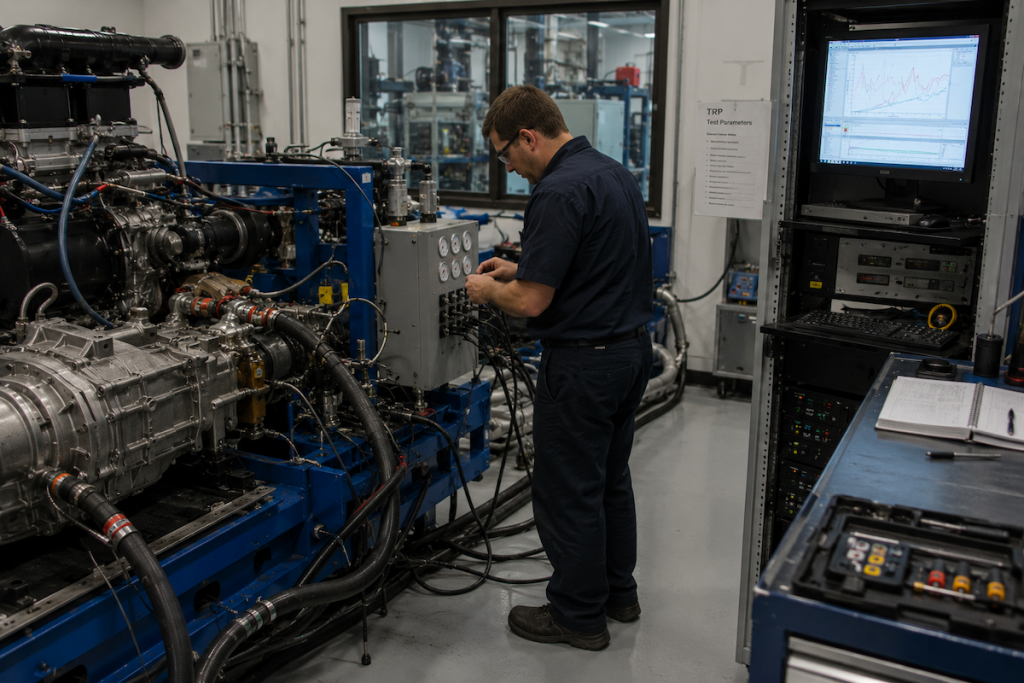
Electrification adds gear systems, power electronics, wiring, thermal loads, and validation requirements, while combustion and hybrid platforms still need drivetrain, fuel-delivery, cooling, and test capabilities. Suppliers should qualify the specific application instead of relying on a broad technology label.
Delta Research Corporation
Delta Research Corporation employs an estimated 51-200 people and generates between $25 million and $50 million in annual revenue. The Livonia manufacturer produces spiral bevel gears, splined shafts, gearbox housings, assemblies, and drivetrain prototypes for automotive, EV, military, marine, and aerospace applications.
Supplier angles include gear steels, cutting tools, hobbing and grinding technology, heat treatment, inspection, lubricants, and drivetrain testing. Because Delta spans prototype and production work, research should establish the program stage and customer context before identifying manufacturing, engineering, quality, or supply-chain contacts.
PGF Technology Group
PGF Technology Group is in the 51-200 employee range, with research data placing annual revenue between $10 million and $25 million. The Rochester Hills electronics manufacturing services provider produces PCB assemblies, cable and wire harnesses, box-build systems, and electromechanical assemblies for automotive, EV, industrial, and other markets.
Its profile supports component, bare-PCB, connector, wire, solder, coating, test-equipment, and inspection suppliers. An EMS provider may purchase across many builds while following customer-approved bills of materials. Verify PGF's automotive program mix, certifications, and authority to approve alternate components.
Usui International Corporation
Usui International Corporation operates in the 501-1,000 employee range, with annual revenue estimated between $150 million and $250 million. Plymouth hosts its U.S. headquarters and engineering presence; publicly listed U.S. manufacturing plants are in Virginia and Ohio. Capabilities span heavy-engine cooling, diesel fuel delivery, brazed assemblies, thermal management, fan drives, and heat exchangers.
Stainless tubing, brazing alloys, aluminum, fan motors, tube-bending equipment, furnaces, and test systems align with those capabilities. Treat Plymouth as a decision and engineering node, then verify which production location controls purchasing, qualification, and delivery.
TRP Laboratories
TRP Laboratories is a specialized testing business in the 51-200 employee range, with research-based annual revenue of $15 million to $30 million. Its headquarters is in Troy, with Michigan laboratories in Lapeer and Taylor. Services include durability, vibration, environmental simulation, fuel-system, emissions, engine, battery, and vehicle testing.
Supplier fit covers instrumentation, sensors, data acquisition, calibration, laboratory equipment, test automation, environmental systems, consumables, and facility services. A credible message must identify the laboratory and test method, then map laboratory directors, test engineers, quality leaders, operations, and procurement.
Gate Five favors offers tied to technical transition, integration, or test capacity. Smaller specialists may provide clearer decision paths, but program volume, facility responsibility, and customer specifications still need screening.
How Different Suppliers Should Build the First Michigan List
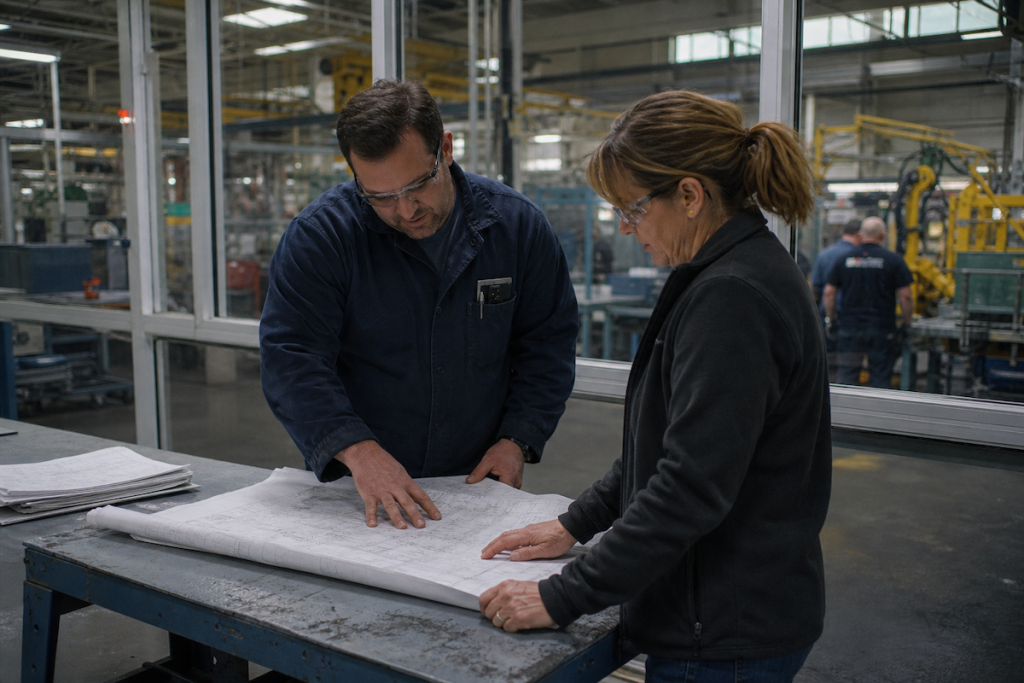
The 20 companies should not enter one outreach campaign. A specialty steel or alloy supplier might start with Dauch, Thai Summit America, Michigan Production Machining, Delta Research, and Autodie, then divide the list by forging, stamping, machining, gear production, and tooling.
Polymer, rubber, coating, or adhesive suppliers could review Summit Polymers, Kendrick Plastics, Michigan Rubber Products, Lear, and RCO Engineering. The main distinction is between production users and development influencers, especially where OEM approval limits material substitution.
Automation and equipment companies may study Detroit Thermal Systems, DENSO, ArtiFlex, Thai Summit America, and Gentex. Electronics and test suppliers could focus on PGF, Gentex, BorgWarner, Roush, and TRP Laboratories. In both cases, process match, installed equipment, local authority, and investment timing matter more than company size alone.
Mid-sized manufacturers and technical providers may offer clearer local decision paths. Global Tier 1 companies deserve attention when the supplier has the certifications, scale, differentiation, and capacity for a longer qualification process.
What Sales Teams Must Verify
Before outreach, verify whether the Michigan location is a headquarters, factory, technical center, laboratory, or multi-function campus. Confirm the company's tier, value-chain role, exact process, product use case, certifications, and customer-directed specifications. Record company-wide scale separately from local headcount and identify whether purchasing authority is local, regional, corporate, or tied to another production site. Match decision-maker roles to the gate: sourcing and engineering for specifications, plant and operations teams for production, tooling specialists for launch work, and laboratory leaders for validation. Finally, check a defensible timing signal such as investment, retooling, hiring, certification, or a new program without presenting it as proof of purchasing intent.
Using Futern to Map the Right Entry Gate
Futern helps B2B sales teams turn a broad Michigan market search into focused company groups. Teams can use location, industry, employee size, revenue, product descriptions, and operating details to separate headquarters, factories, engineering centers, tooling companies, and testing providers.
Website, LinkedIn, and facility research then clarifies local relevance, product families, processes, and likely decision-maker roles. The proposed use case determines whether outreach belongs with sourcing, engineering, purchasing, operations, quality, tooling, or laboratory leadership.
This workflow helps teams shape messages around the relevant facility, process, and supplier angle while leaving requirements and purchasing intent to be verified. The result is a manageable prospect list organized by entry gate rather than a generic directory.
Conclusion
Michigan's automotive value lies in the concentration of companies that influence vehicle programs at different stages. Suppliers gain a clearer route by identifying where an offer enters the production system, which facility supports that function, and which role influences the decision.
The strongest first prospects are those where product fit, timing, local relevance, and decision access create a credible reason for research. Company size matters when it aligns with the supplier's capacity and sales-cycle strategy.
Clothing Manufacturers NYC: How B2B Suppliers Should Read the Market
Southern California Handbag Manufacturers: A B2B Supplier Guide