Hotel Amenities in Miami: 8 Target Buyer Segments for B2B Sales Teams
by Yu T
Explore eight Miami hotel amenity buyer groups, with examples and sales notes.
For hotel amenity suppliers, Miami is more than a tourism destination. It is a dense hospitality market shaped by luxury beach resorts, boutique hotels, cruise lines, short-term rentals, wellness resorts, convention hotels, hospitality operators, and new hotel development projects.
For B2B sales teams, the opportunity is not simply “hotels in Miami.” Different buyer groups purchase amenities for different reasons. A luxury resort may care about brand experience and premium guest reviews. A cruise line may care about bulk supply, sustainability, and port logistics. A vacation rental manager may care about standardized replenishment. A wellness resort may care about spa-grade products and retail-ready packaging.
The company examples below are not presented as confirmed buyers. Some are Miami-based organizations, some are local hotel properties, and some are national or global hospitality brands with meaningful Miami-area operations. They are included to show where hotel amenities may be relevant based on public company information, local presence, business model, property scale, and likely guest experience needs.
How to Read the Miami Hospitality Map
For sales teams, “Miami” should not mean one generic hotel list. Miami Beach is useful for luxury hotels, beach resorts, boutique hotels, and wellness properties. Brickell and Downtown Miami are stronger for business hotels, group hotels, and convention-related demand. Wynwood is better for lifestyle hotels and design-led hospitality. PortMiami is the natural starting point for cruise and maritime hospitality. Greater Miami and South Florida are also relevant for short-term rental managers, villa rental operators, and hospitality service providers.
This local view matters because hotel amenities are not sold the same way to every buyer. A Miami Beach resort may want premium toiletries, custom fragrance, robes, slippers, and sustainable packaging. A downtown convention hotel may need high-volume, standardized amenity supply. A cruise line may care about refillable dispensers and marine-safe packaging. A short-term rental manager may want guest-ready starter kits that reduce turnover work.
Luxury Hotels and Beach Resorts
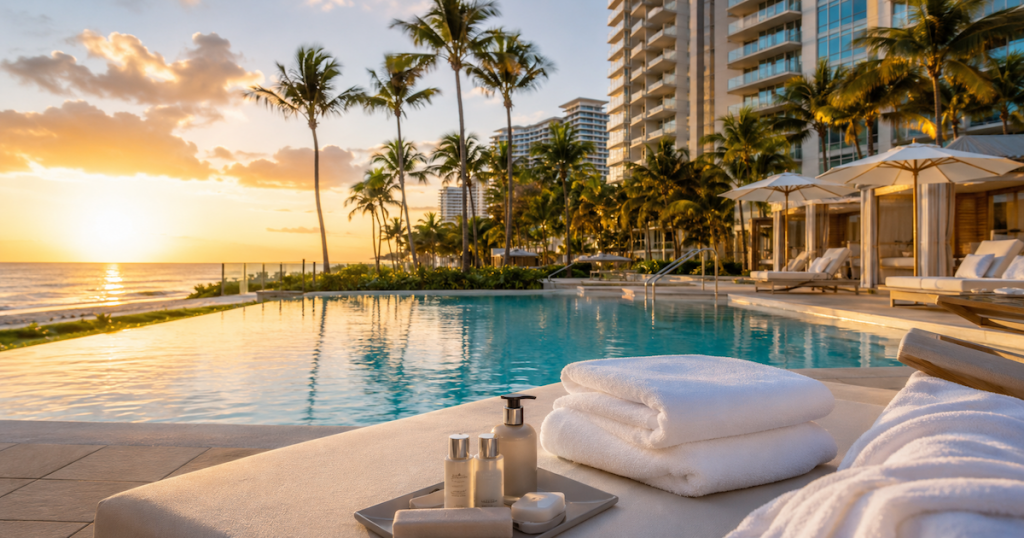
Luxury hotels and beach resorts are one of the clearest starting points for hotel amenity suppliers in Miami. This segment is concentrated around Miami Beach, especially Collins Avenue, South Beach, and Mid-Beach.
Fontainebleau Miami Beach is a landmark luxury resort located at 4441 Collins Avenue in Miami Beach. The property opened in 1954 and is one of the city’s most recognizable hospitality icons. Fontainebleau publicly describes its accommodation base as more than 1,500 guest rooms and suites, supported by dining, nightlife, wellness, events, and beachfront resort experiences. Because of its large room inventory and premium resort positioning, hotel amenities may be relevant for branded toiletries, robes, slippers, towel programs, spa-style bathroom products, in-room beverage items, and sustainable packaging.
1 Hotel South Beach is a sustainability-focused luxury hotel at 2341 Collins Avenue in Miami Beach. The property has 429 rooms and is closely tied to the 1 Hotels brand story. Its LEED Silver positioning and sustainability-led design make it especially relevant for suppliers offering refillable dispensers, plastic-free bathroom amenities, natural toiletries, recycled or biodegradable packaging, and eco-friendly guest-room products.
Loews Miami Beach Hotel is not a Miami-headquartered company, but it operates a major Miami Beach property at 1601 Collins Avenue. Loews publicly lists 790 guestrooms and 65,000 square feet of flexible indoor and outdoor meeting space for this hotel. That scale may create demand for both premium in-room amenities and high-volume replenishment, including toiletries, group welcome kits, VIP room amenities, and event-related guest supplies.
In this segment, the strongest signals are usually visible before a supplier conversation starts: room renovation news, new sustainability language, spa or wellness package launches, premium guest experience upgrades, event-driven occupancy peaks, or a resort trying to refresh how its brand feels inside the room.
Boutique and Lifestyle Hotels
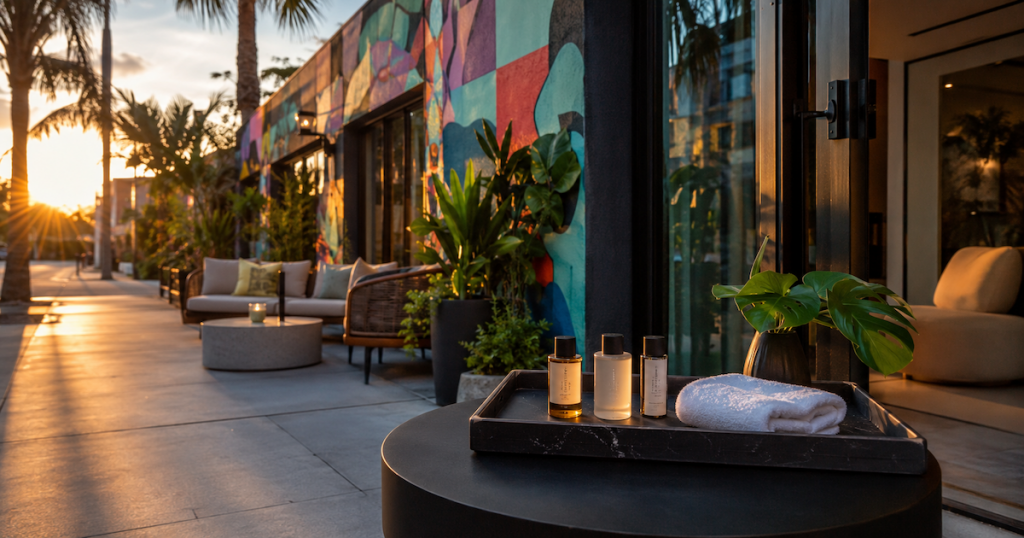
Boutique and lifestyle hotels are strong targets because Miami hospitality is closely tied to design, art, nightlife, local culture, and visual guest experience. These properties often compete through atmosphere and identity, so amenities can become part of the brand story.
The National Hotel Miami Beach is a historic Art Deco hotel at 1677 Collins Avenue. The property was built in 1939 and is part of Historic Hotels of America. Public hotel information lists 138 rooms and suites. Its adult-only positioning, Art Deco identity, and beachfront location may make branded bathroom products, robes, slippers, premium toiletries, and design-sensitive packaging relevant.
Arlo Wynwood opened in 2022 and is positioned as a lifestyle hotel in Miami’s Wynwood arts district. The property has 217 rooms and is closely connected to Wynwood’s art, events, and social scene. Because it emphasizes local culture, rooftop experiences, contemporary design, and community programming, amenity suppliers may find opportunities around custom-branded toiletries, locally inspired welcome items, lifestyle packaging, and guest-room products that support a design-led stay.
Moxy Miami Wynwood is a Marriott International lifestyle property at 255 NW 25th Street in Wynwood. Moxy is not a Miami local brand, but this physical Wynwood hotel creates local market relevance. The property has 120 rooms and is positioned around compact rooms, social spaces, a rooftop experience, and younger lifestyle travelers. Potential amenity needs may include efficient guest-room supplies, small-format toiletries, branded welcome items, and high-turnover replenishment products.
For boutique and lifestyle hotels, useful buying clues often show up in design-led changes rather than scale alone: a rebrand, a new art or local-culture partnership, a lobby or room refresh, a stronger social media push, or public language around local sourcing and sustainability.
Cruise Lines and Maritime Hospitality
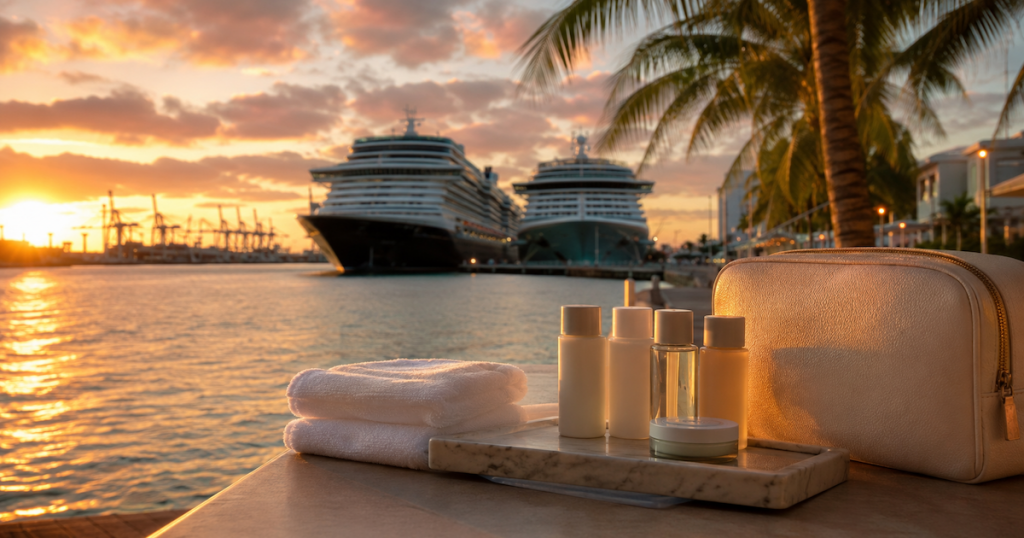
Cruise lines are one of Miami’s most distinctive hospitality opportunities. The local connection is especially strong because of PortMiami, cruise headquarters, terminal investment, and maritime operations.
Carnival Corporation has deep Miami-Dade roots and is one of the world’s largest cruise companies. Public market data shows Carnival generated about $26.62 billion in fiscal 2025 revenue and had around 101,000 employees. Its Miami-area presence and large fleet make hotel amenities relevant for stateroom toiletries, crew supplies, suite amenity kits, refillable dispenser systems, and sustainable packaging.
Royal Caribbean Group is headquartered in Miami and operates brands including Royal Caribbean International, Celebrity Cruises, and Silversea. Publicly available company information lists 2025 revenue at about $17.9 billion and more than 100,000 employees. Because cruise ships operate like large floating hospitality properties, amenities may be relevant for guest cabins, premium suites, onboard spas, fitness areas, and brand-standard supplies across ships.
MSC Cruises North America should be described carefully. MSC Group’s global headquarters is not in Miami, but its North American Cruise Division opened a 130,000-square-foot headquarters in downtown Miami in 2026. This creates a strong Miami business connection. Potential amenity opportunities may include stateroom supplies, premium suite products, children’s kits, spa amenities, and sustainability-led packaging for cruise operations.
For cruise prospects, watch for fleet-level movement: new ships, terminal expansion, cabin upgrades, refillable dispenser rollouts, plastic-reduction commitments, premium suite growth, and passenger volume gains through PortMiami.
Short-Term Rental and Vacation Rental Management
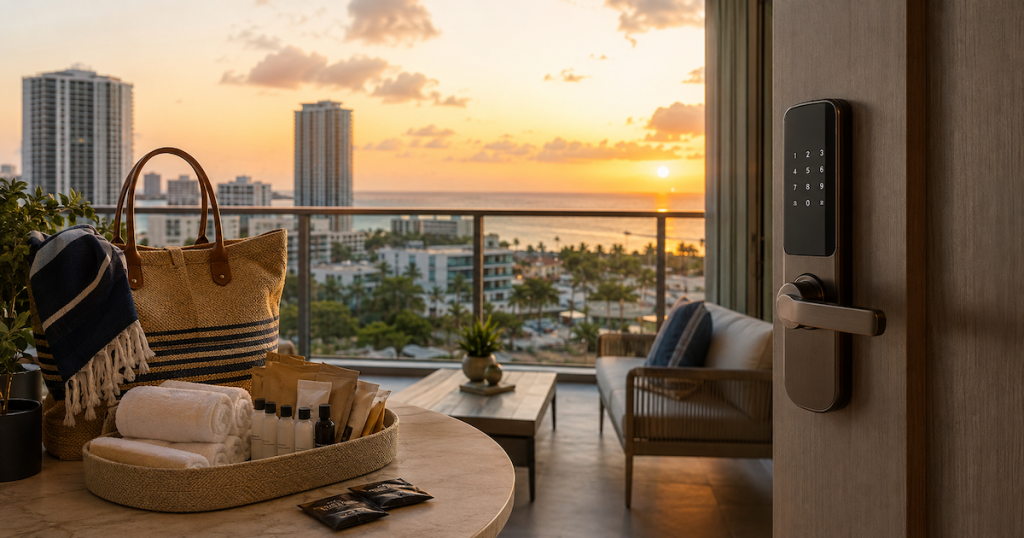
Miami’s short-term rental market creates hotel-like demand outside traditional hotels. These companies often manage guest experience across condos, apartments, villas, and vacation homes.
SkyRun Miami operates vacation rental services in the Miami and South Florida market. Its relevance comes from managing guest stays rather than owning a traditional hotel. Hotel amenity suppliers may fit bathroom starter kits, towels, linens, coffee, soaps, guest welcome packs, and recurring replenishment programs.
Park Place / Park PL Miami is relevant as a Miami short-term rental and Airbnb property management example. For this type of operator, the need is usually standardization: guest-ready supplies, refill schedules, bathroom basics, cleaning products, and items that reduce negative reviews related to missing essentials.
Cielo Stays is based in South Florida and manages vacation rentals, including Miami and Brickell-related activity. The company describes its work around guest experience, property care, and vacation rental management. Amenity suppliers may be relevant for premium condo stays, beach-property supplies, digital welcome-kit add-ons, toiletries, linens, and guest replenishment programs.
The most practical signals here are operational ones: a growing property portfolio, high guest turnover, new owner acquisition, premium villa expansion, reviews that mention missing basics, or a manager standardizing check-in, cleaning, and replenishment workflows.
Spas and Wellness Resorts
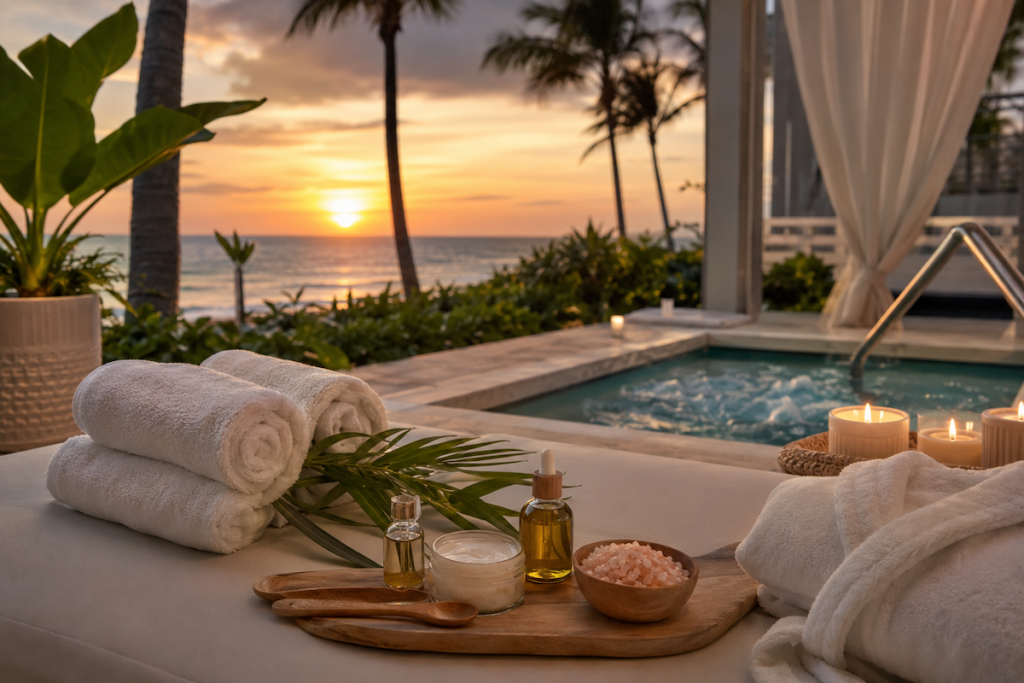
Miami Beach has a strong wellness and spa hospitality layer. This segment is especially relevant for suppliers selling aromatherapy, skincare, robes, slippers, organic toiletries, spa retail items, and treatment-room supplies.
Carillon Miami Wellness Resort is a Miami Beach wellness resort that describes its property as having one of the largest spa and wellness facilities on the Eastern Seaboard. Its positioning makes it relevant for treatment products, aromatherapy, spa robes, slippers, organic bath products, wellness kits, and retail-ready spa items.
The Standard Spa Miami Beach is an adults-focused spa hotel on Belle Isle in Miami Beach. Its hydrotherapy and wellness positioning may create demand for spa-grade amenities, bath products, robes, towels, scent-based products, and take-home guest kits.
The Palms Hotel & Spa is a Miami Beach oceanfront hotel with tropical garden positioning and an AVEDA spa. Its wellness and sustainability tone may make it relevant for natural toiletries, spa amenities, robes, slippers, premium towels, and guest-room products that connect with a relaxed resort experience.
Wellness-focused demand is often triggered by spa renovation, new treatment rooms, seasonal wellness packages, organic or natural product positioning, retail product expansion, or hotel marketing that puts self-care at the center of the guest stay.
Convention and Large Group Hotels
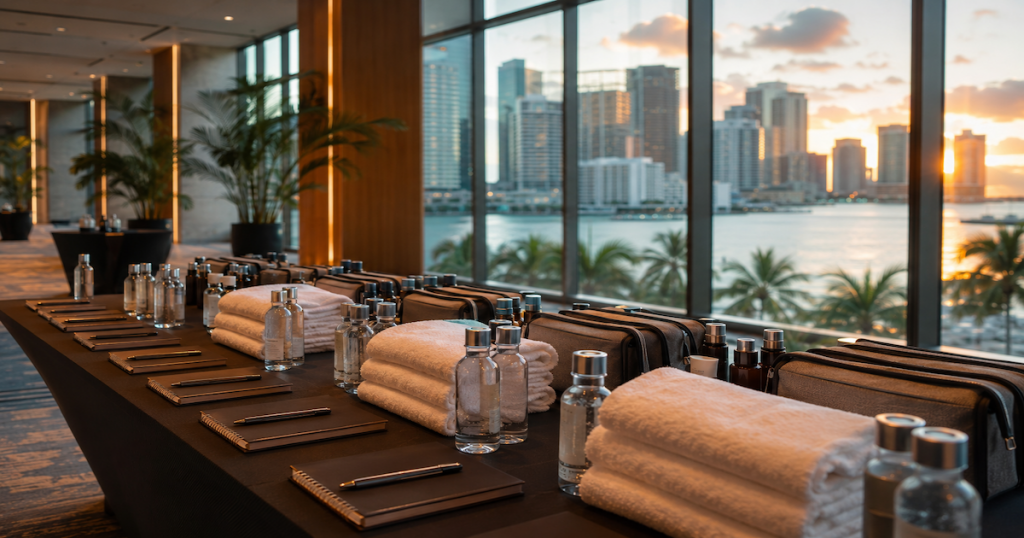
Convention and large group hotels are practical targets because they need consistency, volume, and reliable replenishment. This segment is strongest in Downtown Miami, Brickell, and Miami Beach.
InterContinental Miami is a downtown Miami hotel at 100 Chopin Plaza, close to Bayfront Park, Brickell, PortMiami, and major business travel corridors. Its large downtown property format and meetings-oriented positioning may create demand for standardized guest-room amenities, VIP kits, conference-group supplies, event-related welcome items, and reliable bulk replenishment.
Hilton Miami Downtown is a downtown Miami hotel on Biscayne Boulevard with proximity to Kaseya Center, Bayside Marketplace, and PortMiami. The property’s event, business, and downtown travel positioning may make hotel amenities relevant for high-turnover rooms, group stays, business travelers, and event-related guest supplies.
Hyatt Regency Miami is a downtown riverfront hotel with 615 rooms and suites. Its large room inventory and meetings-oriented positioning may create demand for standardized toiletries, in-room supplies, event guest kits, VIP amenities, and high-volume replenishment across rooms and meeting groups.
In large group hotels, timing matters. Convention calendars, major group bookings, meeting-space renovations, event partnerships, business travel recovery, and promotions for corporate or association groups can all point to higher-volume amenity needs.
Hospitality Ownership Groups and Operators
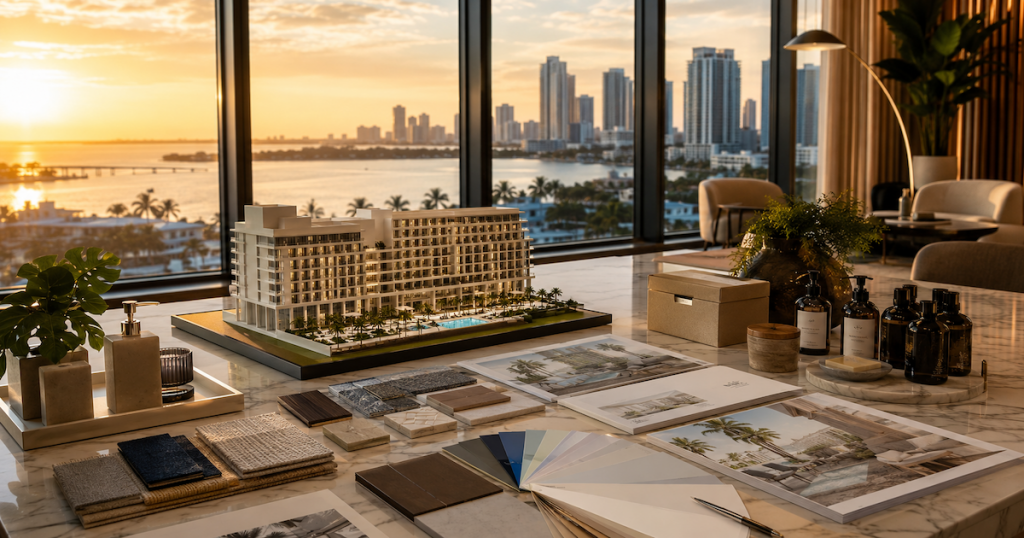
Some hotel amenity opportunities happen above the individual property level. Ownership groups, operators, and brand management teams may influence amenity standards across multiple hotels.
Starwood Capital Group is a global real estate investment firm headquartered in Miami Beach. It is not a day-to-day amenity buyer like a hotel general manager, but it can become relevant when hospitality assets move through portfolio-level change. For example, suppliers may have a reason to track Starwood-linked activity when a group of properties is being repositioned, when a renovation wave creates repeatable guest-room standards, when a brand conversion requires new in-room products, or when ownership wants more consistent operating costs across multiple hotels.
SH Hotels & Resorts / 1 Hotels should be treated as a hospitality brand and operator ecosystem, not as another individual Miami property example. Its relevance comes from sustainability-led luxury positioning, brand-standard guest experience, and the possibility of decisions being made above one hotel at a time. Potential amenity opportunities may relate to approved toiletries, refillable bathroom programs, wellness products, plastic-free packaging, and multi-property standards that a local property then implements.
Marriott International should not be described as a Miami company. Marriott is headquartered in Bethesda, Maryland, but its Miami-area footprint across different brands makes it relevant for suppliers who understand the buying layers. Global procurement may influence approved vendors and brand standards; regional operations or ownership groups may shape renovation and rollout priorities; and individual property leaders such as general managers, directors of rooms, housekeeping leaders, spa directors, or event teams may handle local needs, trials, replenishment, and special guest programs.
For this segment, the best signals are less about one hotel running out of shampoo and more about control points: new management contracts, brand conversions, ownership changes, multi-property renovation programs, sustainability standard resets, procurement consolidation, and job postings tied to openings, operations, purchasing, rooms, or guest experience.
Hotel Developers, Renovation Projects, and FF&E Procurement
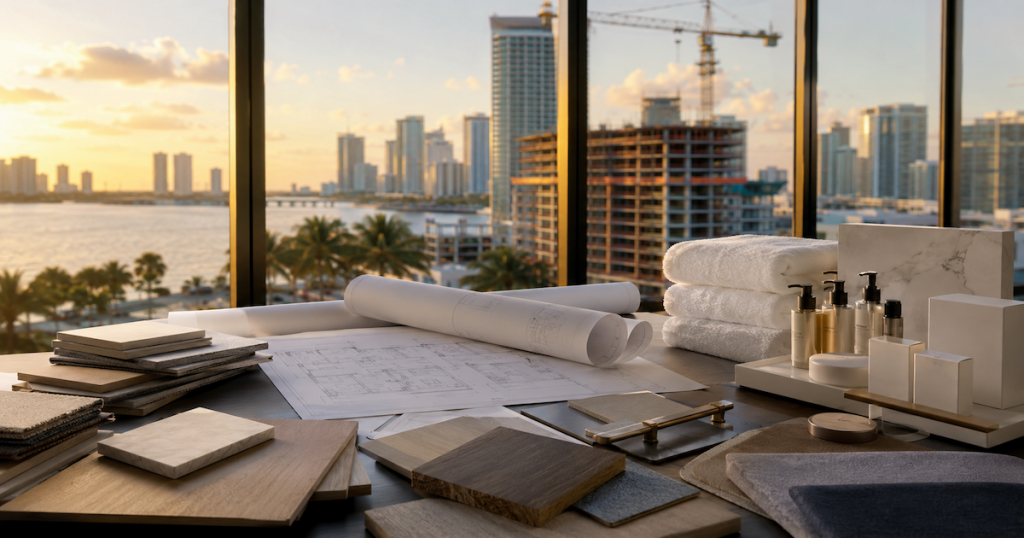
Hotel amenities are not only purchased during daily operations. They are also selected during pre-opening, renovation, brand conversion, and FF&E procurement cycles.
Delano Miami Beach is a strong renovation-driven example. The hotel has reopened after a multi-year closure and major renovation, with recent reporting describing a 171-room property and new wellness, dining, and lifestyle features. That kind of repositioning may create demand for new bathroom amenities, branded guest-room supplies, robes, slippers, custom fragrance, wellness kits, and pre-opening inventory.
The Cloud One Hotel & Residences Wynwood is relevant as a planned hotel-and-residences project in Wynwood. Because new hospitality projects need pre-opening procurement, amenity suppliers may find opportunities around guest-room setup, bathroom products, branded welcome kits, refillable dispensers, and FF&E-linked product planning.
Grand Hyatt Miami Beach / Miami Beach Convention Center Hotel Project is an important development example. The planned Grand Hyatt Miami Beach is an 800-room convention center hotel project connected to the Miami Beach Convention Center area. Pre-opening projects of this scale may create demand for room amenities, group guest supplies, meeting-related amenities, spa or pool supplies, and brand-standard products before the hotel opens.
Demand signals include new hotel openings, construction milestones, renovation announcements, brand conversions, property repositioning, pre-opening hiring, design refreshes, and FF&E procurement activity.
Turning Local Research Into Prospecting
The main mistake is treating Miami hospitality as one broad list. A supplier selling hotel amenities should not build one generic database of “hotels in Miami.” A better approach is to segment the market by buyer type, property format, guest profile, procurement cycle, and amenity use case.
A Miami Beach luxury resort may care about premium branding and sustainability. A cruise line may care about bulk supply, refillable systems, and logistics near PortMiami. A boutique hotel in Wynwood may care about design-forward packaging. A short-term rental manager may care about cost per stay and replenishment speed. A hotel developer may care about pre-opening timelines and brand consistency.
Futern can support this workflow by helping sales teams move from broad market research to targeted prospecting. A team can start with a product category such as hotel amenities, narrow the search to Miami and Miami-Dade, identify relevant buyer groups, find companies or properties that match the use case, and watch for signals such as renovations, new openings, sustainability language, portfolio growth, event demand, or procurement hiring.
From there, outreach can be based on the buyer’s actual hospitality context instead of a generic supplier pitch.
Conclusion
Miami is a strong market for hotel amenities because its hospitality ecosystem is both large and varied. The opportunity is not limited to traditional hotels. It includes luxury beach resorts, boutique hotels, cruise lines, vacation rental managers, spas, convention hotels, hospitality operators, and hotel development projects.
For B2B sales teams, the value of this research is not only knowing that Miami has many hotels. The real value is knowing which buyer groups to prioritize, what each group cares about, what demand signals suggest a real need, and which companies or properties represent the local market.
Hotel amenities are not sold the same way across every hospitality segment. Luxury hotels may care about guest experience and brand perception. Cruise lines may care about volume and sustainability. Short-term rental managers may care about replenishment and reviews. Spas may care about wellness positioning. Developers may care about opening timelines and consistency.
Understanding those differences is what turns a regional market list into a practical B2B prospecting plan.
AI Vision Inspection Systems in Chicago: 8 Target Industries for B2B Sales Teams
Restaurant Packaging Supplies in Greater Los Angeles: 8 Buyer Groups for B2B Sales Teams