Kansas City Animal Health Companies: Five Supplier Paths
by Yu T
Qualify 20 Kansas City animal health companies by facility role, scale, regulation, and supplier fit
Kansas City anchors a regional animal health system stretching from Manhattan, Kansas, to Columbia, Missouri. OneKC currently cites more than 300 companies and 20,000 workers in the corridor and attributes 56% of worldwide animal health, diagnostics, and pet food sales to companies with a corridor presence.
That concentration creates opportunity, yet company names reveal little about supplier fit. A biologics plant qualifies inputs differently from a feed mill, equipment manufacturer, R&D center, or distributor. Sales teams need the local facility role, regulated product category, operating scale, and people who influence approval and purchasing.
Company and facility information was reviewed on August 17, 2026. The businesses below are research examples, not confirmed buyers. Inclusion does not indicate current demand, an active sourcing project, or purchasing intent. Sales teams should verify operating status, facility scope, regulatory records, supplier requirements, and decision-maker responsibility before outreach. Time-sensitive projects and corporate changes are labeled with their relevant dates.
The guide organizes 20 companies through five paths: regulated manufacturing, specialized development, equipment production, nutrition and feed, and distribution. Each path links market research to a narrower supplier hypothesis.
Kansas City Animal Health Market Map
The corridor's geography changes who buys. De Soto, Lenexa, Shawnee, and St. Joseph concentrate pharmaceutical and biologics activity. Kansas City, Kansas, adds feed and equipment manufacturing, while Kansas City, Missouri, combines laboratory production with underground distribution. Topeka supports pet nutrition research and manufacturing; Wamego and Columbia add cattle-health development, vaccine production, and corporate functions.
Record the exact site before selecting a contact. Overland Park houses Hill's global headquarters, while its science and production functions sit elsewhere in Kansas. Virbac's Kansas City location distributes finished goods; it does not manufacture them. A regional address establishes relevance, while facility function determines the supplier conversation.
Read the Regulatory Boundary First
Regulatory responsibility follows the product. USDA APHIS's Center for Veterinary Biologics licenses veterinary vaccines and other biologics under the Virus-Serum-Toxin Act; its current product catalog is dated April 1, 2026. FDA's Center for Veterinary Medicine oversees animal drugs and animal food. Covered animal-food facilities operate under the preventive-control framework in 21 CFR Part 507, alongside applicable state feed requirements.
Equipment and logistics suppliers face buyer-specific quality, sanitation, traceability, storage, and validation requirements. No single FDA or USDA rule covers every item sold into those facilities. The useful first question is which regulated process, product, or storage condition the offer affects.
Supplier Path 1: Regulated Product Manufacturing
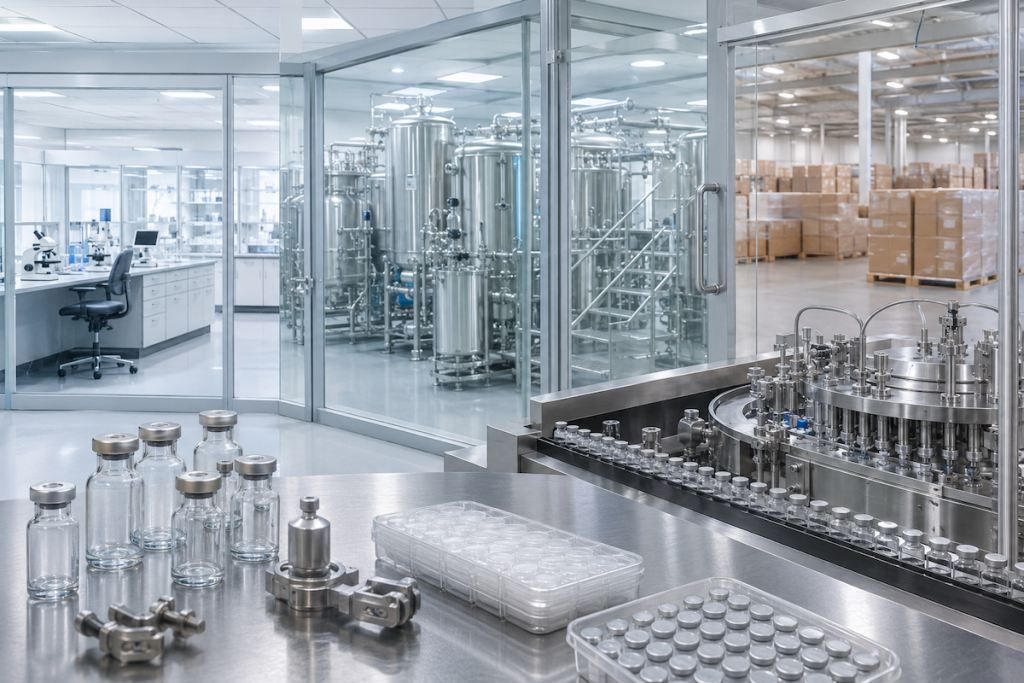
Biologics and pharmaceutical plants buy around contamination control, repeatability, validated processes, documentation, and supply continuity. Supplier evidence must match the product form and the site's role in approval, production, or release.
Merck Animal Health
Merck's active De Soto biologics site totals about 303,000 square feet, including 97,750 square feet of manufacturing space, and employs approximately 300 people. An $895 million investment announced in May 2025 includes a planned 200,000-square-foot manufacturing project with commercial production targeted for 2030. Keep current operations separate from future capacity. Process equipment, sterile components, automation, utility, and laboratory proposals need an affected line and an engineering, quality, operations, or sourcing owner.
Boehringer Ingelheim Animal Health
St. Joseph is Boehringer Ingelheim's largest U.S. animal health manufacturing site and supports late-stage research. A 29,000-square-foot, $22 million R&D laboratory opened in 2024. Local reporting said the campus had nearly 800 employees before approximately 60 manufacturing and supply roles were removed in March 2026; no verified post-reduction total was available on August 17, 2026. Route vaccine-process inputs, single-use systems, cold-chain services, controls, and training support according to whether manufacturing, research, quality, or corporate procurement owns the specification.
Ceva Animal Health
Ceva's Lenexa biologics campus contains about 216,000 square feet of vaccine production, more than 100,000 square feet of regional warehouse space, and 18,000 square feet of BSL-2 laboratories. It combines manufacturing, quality, supply chain, pharmaceutical R&D, and genomics; the U.S. commercial headquarters is in New Jersey. Connect media, filtration, cleanroom, laboratory, packaging, or warehouse proposals to one Lenexa function, then establish whether local or category-level approval controls the purchase.
Sparhawk Laboratories
Sparhawk operates a 150,000-square-foot Lenexa manufacturing, warehousing, and distribution center with about 110 employees. Its generic animal-health injectables, solutions, powders, tablets, and boluses create different needs across formulation, filling, testing, packaging, and inventory control. Start with the dosage form and required documentation. Manufacturing, quality, microbiology, supply chain, and executive leadership offer more relevant routes than a general contact.
Large plants offer broad demand surfaces and longer qualification cycles. Strong openings tie documented capability to a line, quality risk, or capacity constraint.
Supplier Path 2: Specialized Development and Controlled Production
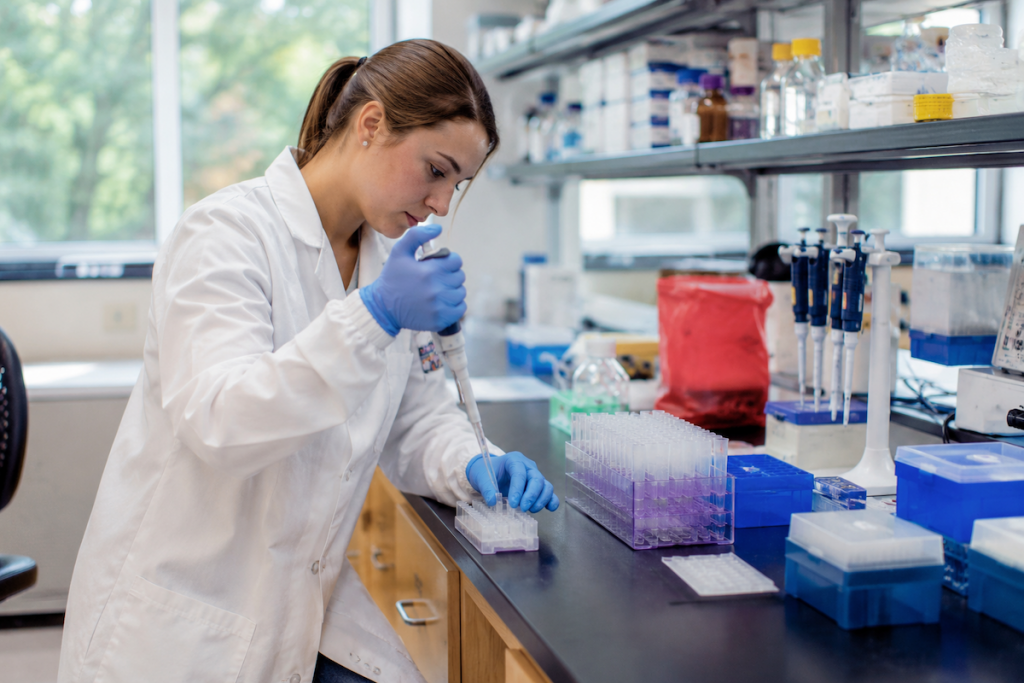
These companies connect research, pilot work, technical transfer, and smaller controlled batches. Suppliers need to understand development stage, chain of custody, scale-up limits, and the point at which purchasing enters the process.
Argenta
Argenta's roughly 500,000-square-foot Shawnee campus supports sterile injectables, non-sterile liquids and pastes, oral solid doses, clinical supplies, laboratories, and commercial manufacturing. Local reporting placed the workforce near 300 in 2025. A 12- to 24-month consolidation of Fort Dodge operations, announced in December 2025, remains in progress. Confirm which capability has transferred and who approves fill-finish components, analytical services, stability systems, packaging, or plant equipment during the transition.
Axiota Animal Health
Axiota designated Wamego as its global headquarters on April 1, 2026. The site houses manufacturing, R&D, and scientific operations for cattle-health products used in more than 30 countries; LinkedIn lists Axiota in the 51-200 employee band. Fermentation inputs, injectable-product support, laboratory systems, packaging, and production services fit different functions. Technical and manufacturing leaders often guide early evaluation, with quality and supply chain shaping formal qualification.
ENDOVAC Animal Health
ENDOVAC develops and manufactures livestock vaccines at its Columbia headquarters and roughly 25,000-square-foot production and research campus. The operation sits in the small-company tier, with current public listings indicating 11-50 employees. The April 2026 USDA catalog lists Immvac, Inc., including ENDOVAC Animal Health, as licensed establishment 345. Frame biological inputs, laboratory consumables, cold storage, packaging, and quality services around bacterin production and release. Check current certifications separately from the USDA license.
ELIAS Animal Health
ELIAS operates a 3,200-square-foot Lenexa headquarters and manufacturing facility. LinkedIn lists ELIAS in the 2-10 employee range, reflecting the compact scale of its local manufacturing operation. Its autologous ELIAS Cancer Immunotherapy received USDA Center for Veterinary Biologics approval on March 19, 2025, for canine osteosarcoma. Patient-specific production raises supplier questions around chain of identity, cell-processing inputs, temperature control, scheduling, and records. Executive, clinical, manufacturing, quality, and logistics responsibilities may overlap at this scale, making role confirmation essential before contact.
Smaller producers may provide faster technical access, while purchasing routines and commercial volumes vary. Qualification begins with the current program, batch scale, approval status, and operating constraint.
Supplier Path 3: Equipment and Laboratory Manufacturing
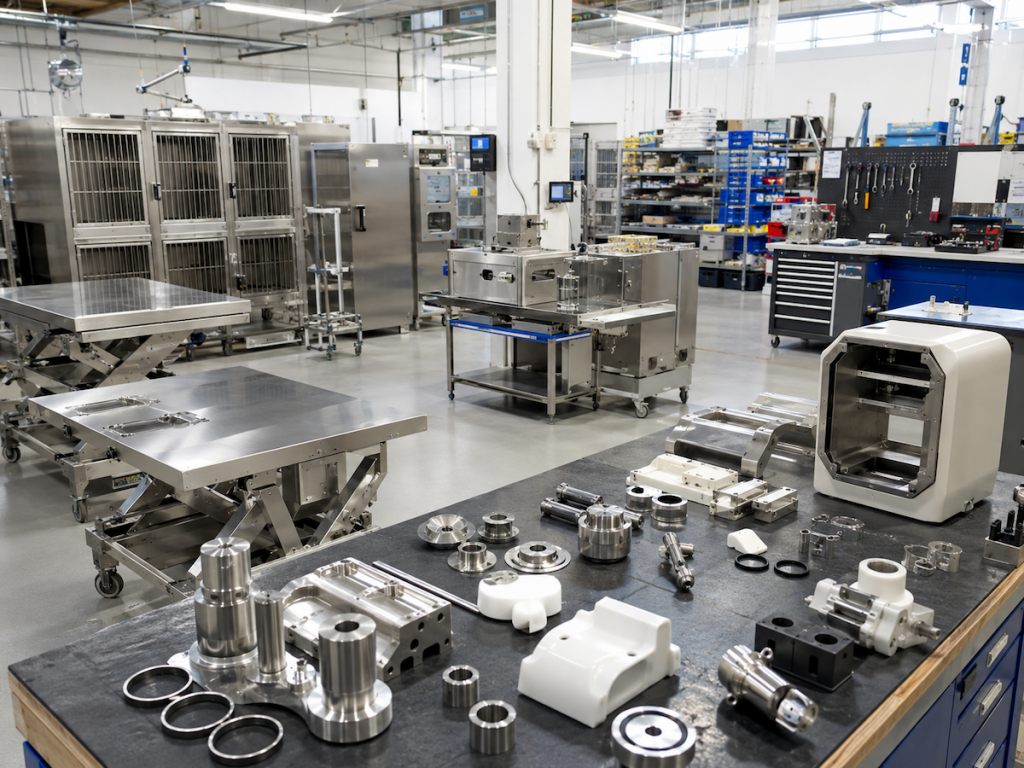
Equipment producers evaluate materials and components through durability, cleanability, tolerances, serviceability, and lifecycle support. The buyer may sit in design engineering, manufacturing, quality, product management, or supply chain.
Midmark (Shor-Line)
Midmark's Kansas City, Kansas, plant manufactures Shor-Line veterinary equipment, including stainless-steel animal housing and treatment products. Midmark employs more than 2,000 people worldwide; the local operation is a manufacturing site rather than headquarters. Tie stainless steel, formed components, hardware, controls, fabrication, packaging, or maintenance support to a product family. Local engineering and operations typically validate component fit, while sourcing or product leadership influences commercial approval.
Pulse NeedleFree Systems (Datamars)
Datamars acquired Lenexa-based Pulse NeedleFree Systems in October 2024. Pulse's local team, commonly listed in the 2-10 employee range, focuses on needle-free livestock injection technology, engineering, and product support. Datamars operates in more than 100 countries, so group standards may shape sourcing. Match precision components, seals, molded parts, testing, and assembly support to the device platform, then identify which decisions remain in Lenexa after the acquisition.
Stone Manufacturing and Supply
Stone has manufactured veterinary and livestock tools in Kansas City, Missouri, since 1932. Operating in the small-company tier, the family-owned manufacturer is generally listed at 11-50 employees. Its fabricated, machined, cast, molded, and assembled products create openings for metals, components, coatings, tooling, packaging, and contract services. Begin with the product family and production method, then determine whether ownership, product leadership, operations, or purchasing evaluates the proposal.
Labconco
Labconco is headquartered in Kansas City, Missouri, and makes most of its laboratory equipment there and in Fort Scott, Kansas. More than 200 associates serve customers in over 130 countries. Animal-health laboratories are one end market within a broader scientific base. Sheet metal, blowers, filtration, controls, electronics, refrigeration, packaging, and service proposals need a defined equipment family and performance requirement before engineering, manufacturing, quality, or supply chain outreach.
Application evidence matters here. Strong component pitches explain effects on cleaning, uptime, accuracy, installation, or field service.
Supplier Path 4: Nutrition, Feed, and Ingredient Systems
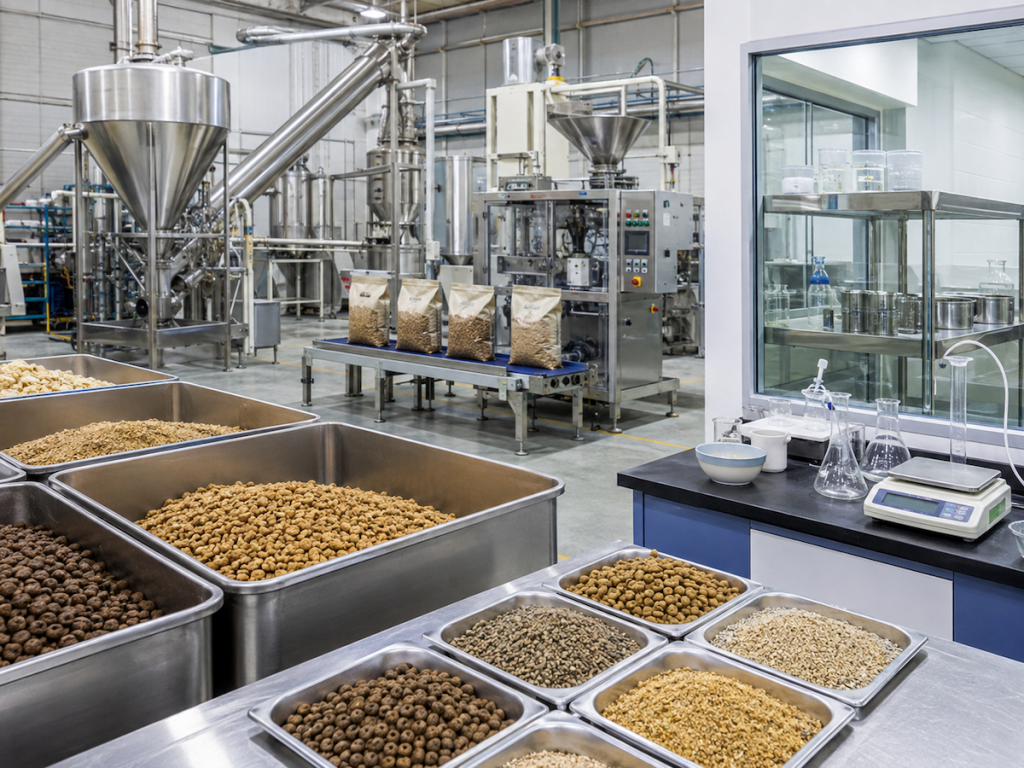
Nutrition companies qualify ingredients and production support through safety, formulation performance, consistency, traceability, throughput, and channel fit. Headquarters, research centers, feed mills, and supplement plants create distinct entry points.
Hill's Pet Nutrition
Hill's global and U.S. headquarters is in Overland Park, while Topeka remains a science and manufacturing hub. The company employs more than 220 veterinarians, nutritionists, and food scientists; its parent reported about $4.6 billion in Hill's sales for 2025. Ingredient, testing, palatability, packaging, process, and data proposals need to separate research approval, plant execution, and corporate sourcing. A specific nutrition or production outcome offers the clearest route.
BioZyme
BioZyme's St. Joseph Stockyards plant produces about 31,000 tons of animal supplements annually. Supplier angles include fermentation inputs, minerals, carriers, laboratory testing, mixing, dust control, bagging, and maintenance. Formulation and quality teams typically assess technical fit, while operations and purchasing evaluate reliability and cost. Establish whether the input belongs to fermentation, supplement production, or a corporate category before selecting the contact.
Cargill Animal Nutrition and Health
Cargill operates two animal nutrition facilities in Kansas City, Kansas. Its pet-food plant has roughly 80,000 square feet of production space and more than 25 employees; a separate West Bottoms facility produces animal feed. Ingredients, extrusion support, automation, preventive-control services, packaging, and maintenance map to different processes. Confirm the plant, product category, and local authority because corporate specifications and site operations may divide technical and commercial decisions.
MFA Incorporated
MFA is a Columbia-headquartered agricultural cooperative whose feed, livestock-health, and farm-supply network serves more than 45,000 farmer-owners through 145 Agri-Services centers, 24 affiliates, and about 400 independent dealers. It employs more than 1,200 people. Columbia represents corporate and category influence rather than one production plant. Qualify feed ingredients, livestock-health products, packaging, logistics, and retail programs through the relevant business line, supplier process, and demand pattern. Category, nutrition, operations, merchandising, and procurement roles may shape access.
Nutrition research and feed production require different proof. Identify whether the offer changes a formula, manufacturing control, or channel performance.
Supplier Path 5: Distribution, Channel Access, and Logistics
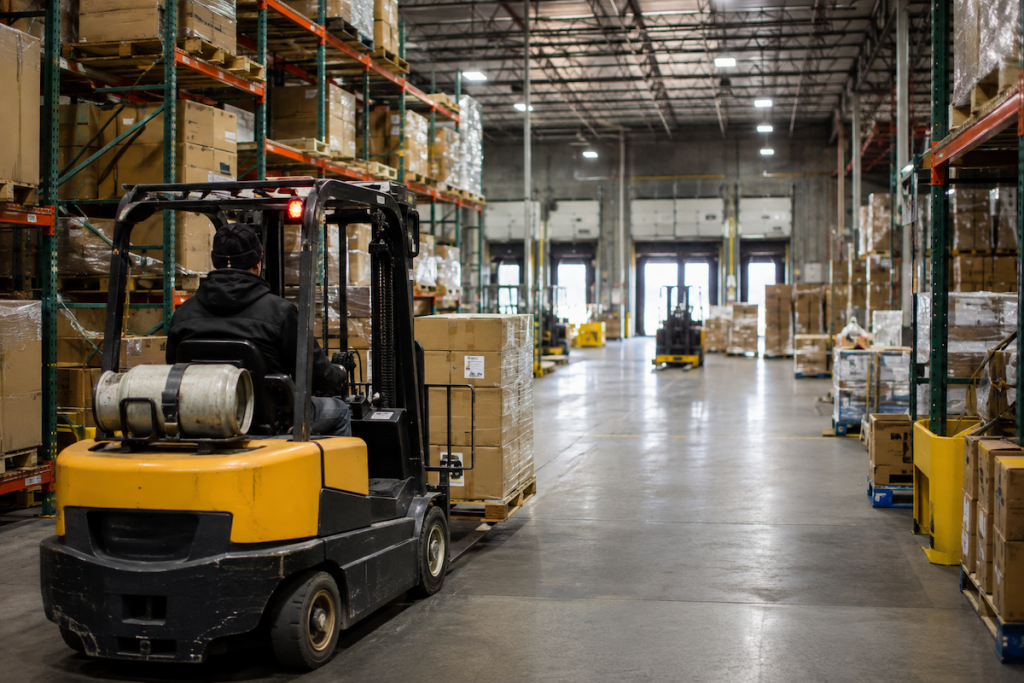
Distributors buy around fill rate, inventory accuracy, product authorization, storage conditions, data exchange, and delivery performance. Local warehouses rarely control every manufacturer relationship, so facility and corporate roles need separate research.
MWI Animal Health
MWI operates a centralized redistribution facility in the Edwardsville area of Kansas City, Kansas; corporate headquarters remains in Boise. LinkedIn lists MWI Animal Health in the 1,001-5,000 employee band across its wider organization. As of August 17, 2026, the MWI-Covetrus transaction announced on February 18 had not been reported as closed. Warehouse automation, cold-chain monitoring, packaging, transportation, and data-integration vendors need to confirm network ownership and whether local operations or corporate supply chain leads the decision.
Durvet
Durvet runs its headquarters and distribution operation from a 150,000-square-foot Blue Springs facility. It reports more than 50 employees, over 50 member distribution points, and 750-plus sales professionals. Private-label programs, packaging, warehouse systems, inventory tools, category support, and transportation fit its channel model. Qualification begins by locating the proposal at Blue Springs, a distributor member, or a product manufacturer, then identifying operations, purchasing, marketing, or executive ownership.
Vedco
Vedco combines a St. Joseph headquarters and warehouse with SubTropolis distribution space in Kansas City, Missouri. It lists 51 distributor locations, and a January 2026 property announcement confirmed the SubTropolis lease extension. That signal supports normal operating status without proving a sourcing need. Tie storage systems, temperature monitoring, labeling, packaging, fulfillment, and data services to one site and workflow. Distribution, operations, purchasing, regulatory, and general management are likely qualification roles.
Virbac Kansas City Distribution Center
Virbac's approximately 150,000-square-foot SubTropolis facility ships almost all finished goods for Virbac North America. U.S. manufacturing occurs elsewhere. Virbac reported about 6,400 employees globally for 2025; the Kansas City role centers on warehousing and logistics. Material handling, environmental monitoring, packaging, inventory, security, and transportation proposals need to address local workflow and product conditions. Separate site operations authority from North American quality, supply chain, and procurement decisions.
Channel access depends on product authorization, economics, service levels, and system compatibility. Local warehouse problems and national category decisions require different contacts.
How to Prioritize the First Prospect List
Begin with one supplier hypothesis. A sterile-component company might compare Merck, Boehringer Ingelheim, Ceva, Argenta, and Sparhawk by dosage form, expansion status, and qualification burden. A feed-plant automation provider has a clearer starting group in BioZyme and Cargill. Component manufacturers can study Midmark, Pulse, Stone, and Labconco by process. Logistics vendors can compare MWI, Durvet, Vedco, and Virbac by warehouse role and network authority.
Rank each company on process fit, local decision influence, evidence required, timing signal, and supplier access. Large global companies belong in a strategic tier when corporate approval adds time. Smaller specialists deserve priority when the offer maps tightly to an active production or development constraint.
What Sales Teams Must Verify Before Outreach
Confirm the legal company name, exact facility, current operating status, local function, product category, relevant regulatory record, and likely purchasing authority. Recheck dated events: Merck's 2030 target remains a future milestone; Argenta's consolidation is in progress; MWI's announced merger was still pending on August 17, 2026. Current job postings, licenses, corporate releases, and direct conversations should support any timing claim used in outreach.
Turning Research Into a Futern Prospecting Workflow
Futern helps B2B teams separate the corridor into clearer company groups, enrich records, check facility relevance, and review company websites and LinkedIn profiles. Users can filter by operating role, scale, product type, and location, then identify likely engineering, quality, operations, sourcing, category, or logistics decision makers.
The workflow begins with a supplier use case, builds a narrow company group, verifies the local process, and shapes an outreach angle around that process. Futern organizes and enriches the research; final qualification still depends on current evidence and direct confirmation from the company.
Conclusion
Kansas City's animal health strength comes from the interaction of regulated manufacturing, specialized development, equipment production, nutrition, and distribution. Those activities sit across different cities and assign purchasing influence differently. Sales teams gain a more useful prospect list when each company is tied to a verified facility role, a relevant supplier use case, and a realistic decision path. The five-path framework turns regional scale into focused qualification work before outreach begins.
Buying Signals and Intent Data: What They Tell You and What They Don't
Pittsburgh Robotics Companies: A Supplier Research Guide
Northwest Georgia Flooring Manufacturers: Six Supplier Paths