Semiconductor Cleanroom Supplies in Phoenix: 8 B2B Buyer Groups
by Yu T
Explore 8 Phoenix semiconductor cleanroom buyer groups with examples and sales notes.
Introduction
Phoenix has become one of the most active semiconductor markets in the United States. TSMC Arizona is expanding in north Phoenix, Intel has a long manufacturing base in Chandler, Amkor is building advanced packaging capacity in Peoria, and equipment, materials, research, facility service, and distribution companies are growing around the same regional ecosystem.
For suppliers of cleanroom wipes, gloves, garments, sticky mats, ESD products, PPE, cleanroom mops, cleanroom packaging, and contamination-control consumables, the Phoenix area is worth studying as a B2B sales market. The opportunity reaches across wafer fabrication, advanced packaging, university research, cleanroom construction, precision manufacturing, equipment service, garment services, and local distribution.
This article is written for cleanroom supply vendors, ESD product suppliers, PPE companies, contamination-control product providers, and B2B sales teams that need to understand where cleanroom-related demand may appear before building prospect lists.
The company examples below are included as research samples based on publicly available information about their operations, facilities, business type, and relationship to the Phoenix-area semiconductor market. Company and facility details reflect information available as of July 2026. They are meant to show where cleanroom-related needs may appear and should be verified before outreach.
How to Read the Phoenix Semiconductor Market Map
The Phoenix semiconductor market is spread across several nearby cities, each with a different role in the local supply chain.
North Phoenix is closely tied to TSMC Arizona. Chandler has long-standing semiconductor activity through Intel, NXP, onsemi, Rogers Corporation, and other advanced manufacturing companies. Tempe connects the market through ASU, Amkor, Benchmark Electronics, and semiconductor R&D activity. Peoria is becoming more important because of Amkor’s advanced packaging campus. Mesa and Scottsdale also matter because of cleanroom services, equipment companies, materials suppliers, and corporate headquarters activity.
For B2B sales teams, this market works best when it is segmented by buyer function. A wafer fab in Phoenix, a packaging facility in Peoria, a university cleanroom in Tempe, and a garment service provider in Mesa may all relate to cleanroom supplies. Each one has its own use cases, buying roles, and timing signals.
Semiconductor Fabs
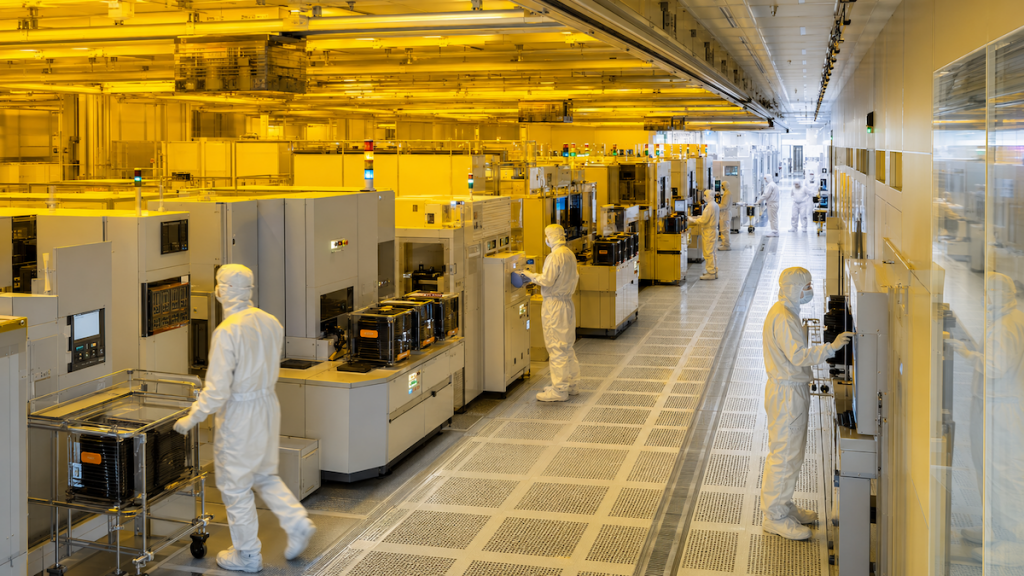
Semiconductor fabs are the most direct starting point for cleanroom supply vendors. These facilities depend on strict contamination control, controlled access, gowning, ESD protection, and recurring operating supplies. The sales logic here is usually tied to production scale, facility readiness, EHS requirements, and ongoing consumable usage.
Any Phoenix cleanroom supply map has to start with TSMC Arizona. Its north Phoenix campus shows how quickly the local semiconductor base is expanding.
TSMC announced in March 2025 that its total planned U.S. investment is expected to reach $165 billion. Its Arizona plans include six wafer fabs, two advanced packaging facilities, and an R&D center, building on the earlier $65 billion Phoenix fab investment.
TSMC also states that its Phoenix site supports thousands of local employees and a growing U.S. manufacturing footprint.
For cleanroom supply vendors, the sales logic is tied to scale and repetition. Large wafer fabs tend to create recurring demand around gowning, cleanroom entry, wafer handling, ESD-safe packaging, and contamination-control routines. Sales teams may want to watch production ramp-up, cleanroom technician hiring, facilities roles, EHS hiring, tool installation, and supplier qualification activity.
Chandler adds another major fab environment through Intel. The company has operated in Arizona for decades and remains one of the most important semiconductor manufacturers in the East Valley. Its long local manufacturing base also makes it useful for studying mature fab supply routines, replacement cycles, and approved-vendor relationships. For cleanroom suppliers, the product angle is tied to high-control manufacturing areas, PPE programs, ESD controls, tool maintenance, and fab operations support. Stronger outreach angles may focus on reliability, compliance, local supply continuity, and consumables used by operations or facilities teams.
The Chandler semiconductor base also includes NXP Semiconductors, a global chip company with Arizona manufacturing relevance. Its local presence makes it a useful research sample for cleanroom and ESD-related needs around wafer or component handling, controlled packaging, wipes, process-area PPE, and ESD-safe work areas. Useful signals include quality engineering roles, manufacturing hiring, facility upgrades, and semiconductor operations job postings.
Scottsdale brings another angle through onsemi, whose headquarters and Arizona manufacturing history connect the region to power and sensing semiconductor markets. The company has a large international workforce and deep Arizona roots. For cleanroom supply vendors, onsemi can help suppliers understand where demand may appear around power semiconductor manufacturing, ESD-safe handling, clean packaging, PPE, and production-area consumables. Demand signals could include facility investment, manufacturing hiring, quality roles, or supply chain updates tied to Arizona operations.
In fab environments, the buying logic is usually tied to repeat usage and operational continuity. The most relevant entry points may include facilities teams, EHS, procurement, cleanroom operations, and materials management. Sales teams can lead with supply reliability, product consistency, contamination-control fit, and the ability to support recurring cleanroom operations at scale.
Advanced Packaging and Testing Companies
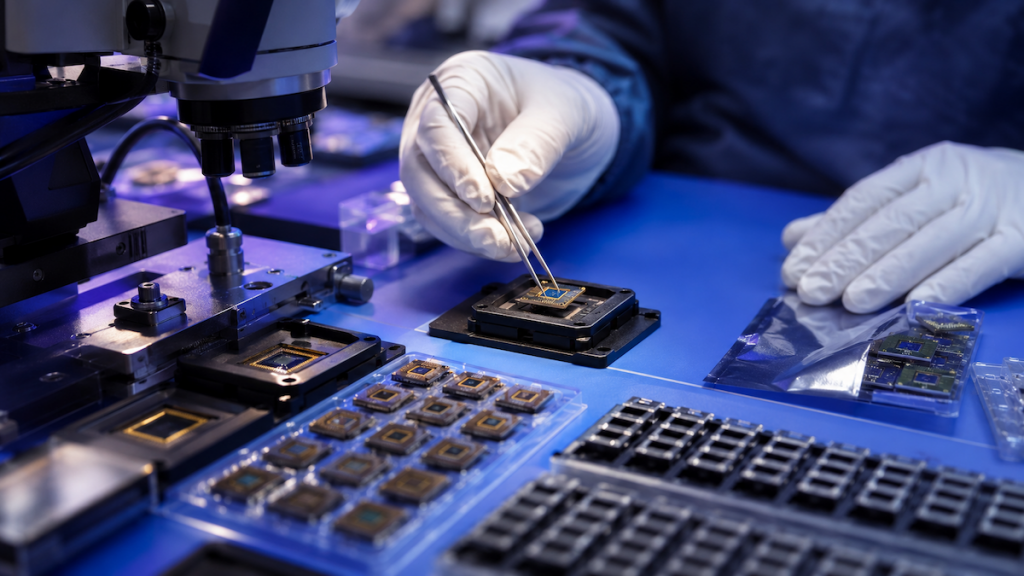
Advanced packaging and testing companies deserve a separate look because chip production continues after wafer fabrication. Die handling, packaging, assembly, and test environments can create demand for ESD-safe materials, cleanroom garments, gloves, wipes, trays, and controlled assembly supplies.
The advanced packaging side of the Phoenix market is becoming easier to see through Amkor Technology. Headquartered in Tempe, Amkor is building a major advanced packaging and test campus in Peoria. Public reporting describes an initial $2 billion investment, potential expansion up to $7 billion, up to 750,000 square feet of cleanroom space, and up to 3,000 jobs. Production is expected around 2028.
For cleanroom and ESD suppliers, Amkor points to a different use case from front-end wafer fabs. The strongest product fit is likely around die handling, ESD-safe packaging, cleanroom garments, controlled assembly supplies, and cleanroom entry products. Sales teams should monitor construction milestones, packaging engineer hiring, cleanroom build-out, tool installation, customer announcements, and production ramp-up timing.
Benchmark Electronics gives this group a different shape. Its Tempe headquarters and precision manufacturing services make it worth reviewing when building prospect lists around clean assembly, ESD control, inspection areas, and controlled packaging. The company reported approximately $2.7 billion in 2024 revenue and operates across multiple advanced manufacturing markets. Its Phoenix-area relevance comes from Tempe headquarters activity and precision manufacturing capabilities.
Messaging for packaging and test companies should lean toward process protection. ESD control, component handling, clean assembly support, packaging consistency, and ramp-up readiness are stronger angles to lead with. As Amkor’s Peoria campus moves closer to production, suppliers can also watch for hiring, cleanroom build-out, tool installation, and supplier qualification signals.
Cleanroom Construction and Engineering Contractors
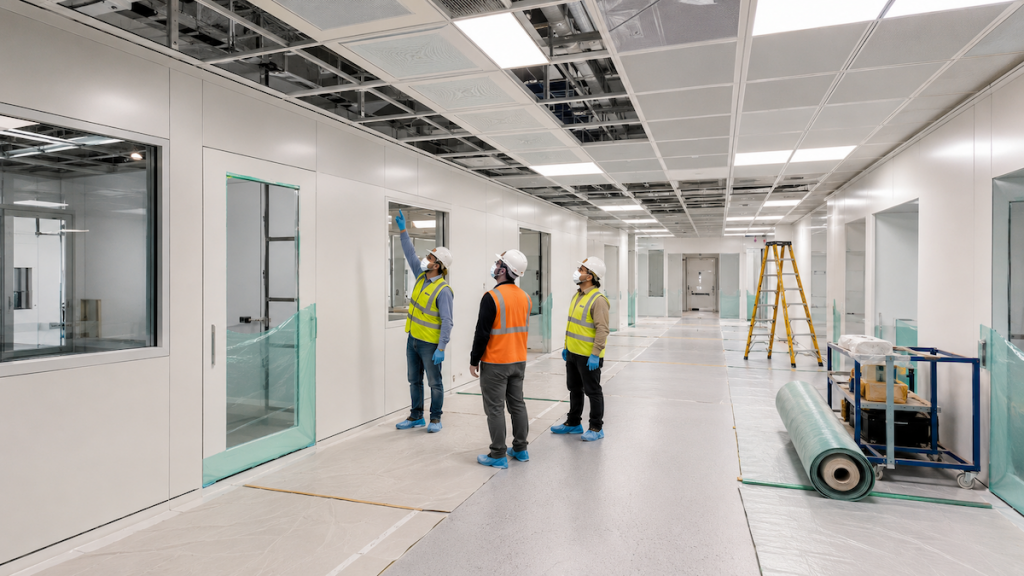
Cleanroom contractors can influence product choices before a facility becomes operational. They are often involved in specifications, construction planning, certification, gowning areas, entry points, and handover supplies.
On the construction side, American Cleanroom Systems is worth noting for its modular cleanroom design, installation, and certification work. The company works across controlled-environment applications, including electronics and semiconductor-related settings. Its scale is best understood by project capability, with cleanroom classes and project specifications varying by client. For suppliers, the product angle sits around ESD flooring, wall systems, sticky mats, cleanroom furniture, entry products, and initial consumable kits for new facilities.
A more local construction angle comes from SDB Contracting Services, an Arizona contractor with cleanroom construction experience in advanced technology environments. The company has operated for decades and can help suppliers understand how facility setup, retrofit, and certification work create needs around gowning area supplies, ESD flooring, wall and ceiling systems, commissioning materials, and facility readiness consumables.
A useful timing signal here would be a new cleanroom project, a retrofit, an ISO classification requirement, semiconductor facility construction, certification activity, or project manager hiring.
Contractors are often more responsive to project-based support than standard product pitches. Suppliers can position their products around cleanroom readiness, commissioning support, specification fit, gowning area setup, and smoother handover to the end user. This can make cleanroom supplies part of the facility planning conversation earlier in the project cycle.
Cleanroom Facility Services and Maintenance Providers
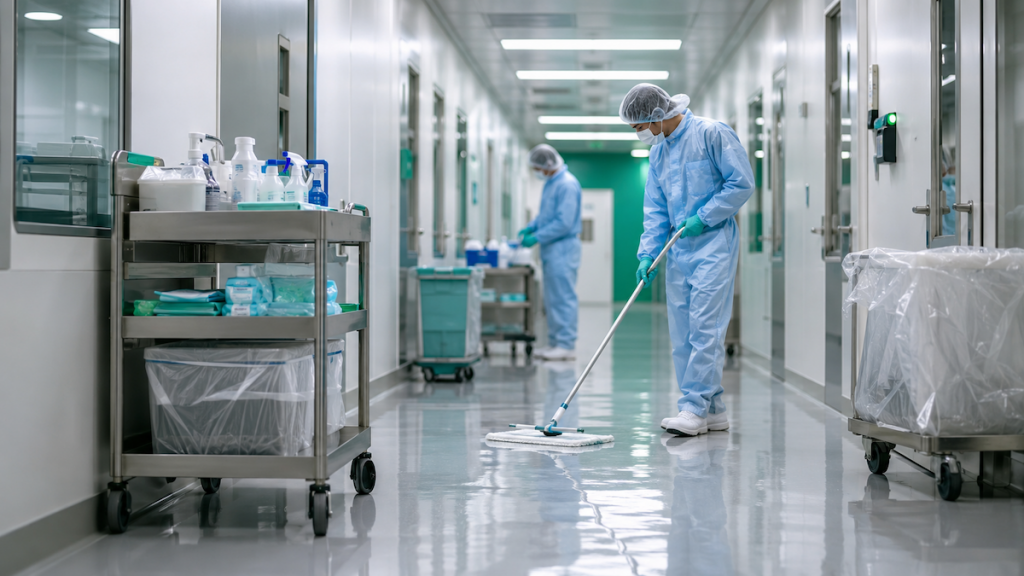
Cleanroom maintenance creates a different kind of opportunity. The need is often recurring, practical, and tied to daily operations: cleanroom cleaning, garment handling, controlled-area access, maintenance PPE, and contamination-control routines.
For garment-related cleanroom services, Prudential Cleanroom Services gives the Mesa market a clear example. The company provides cleanroom apparel services and operates a Mesa cleanroom services location. Prudential Overall Supply was founded in 1960 and operates across multiple U.S. locations. Its Mesa cleanroom service presence makes it useful for understanding garment processing, cleanroom laundry support, garment packaging, inspection, and recurring gowning programs. For suppliers, the product angle may include garment-related consumables, packaging materials, cleanroom handling products, and service-support supplies.
The broader facility management layer can also include companies such as ABM Industries. As a large publicly traded facility services provider, ABM offers janitorial, engineering, technical services, and critical-environment capabilities across a national footprint. Its local semiconductor-client relationship should be verified before outreach, while the facility management model is useful for understanding how outsourced maintenance teams may interact with cleanroom cleaning products, PPE, mops, wipes, and controlled-area supplies.
This buyer group becomes more interesting when there are signs of new service contracts, cleanroom support hiring, expanded local capacity, or semiconductor customer references.
A practical message will work best here. Facility and maintenance providers are likely to care about reliable replenishment, cleanroom classification fit, repeat-use products, and supplies that make daily service work easier to manage. Cleanroom mops, wipes, PPE, garment handling products, and controlled-area cleaning supplies may fit naturally into this type of operating environment.
Advanced Materials and Precision Electronics Companies
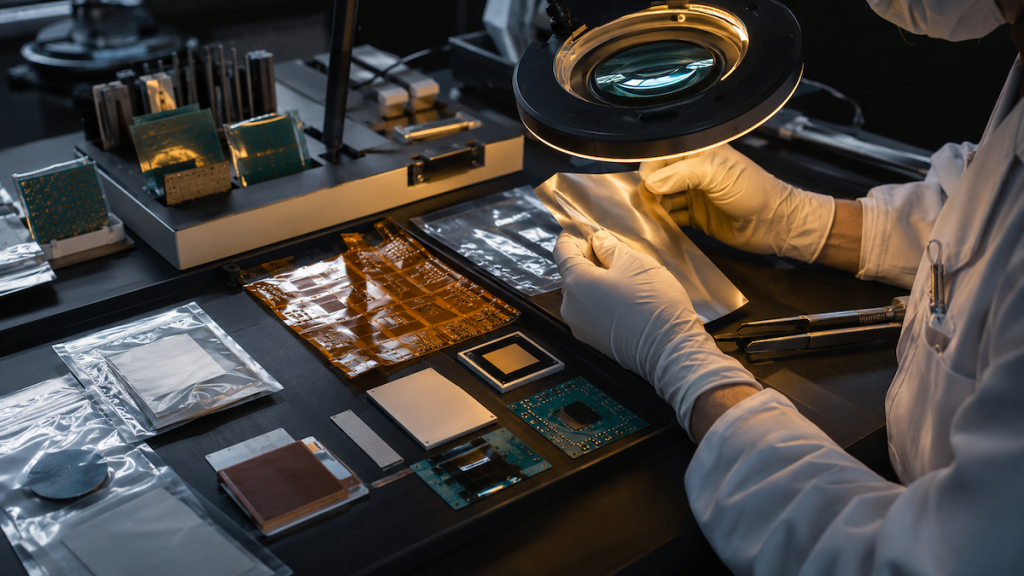
Cleanroom supply opportunities can also appear in advanced materials, precision electronics, sensors, photonics, and engineered components. These companies may still need ESD protection, clean handling, quality lab supplies, or controlled packaging even when they do not operate large wafer fabs.
Chandler’s advanced materials base includes Rogers Corporation, a company headquartered in the city and active in engineered materials for electronics, power, aerospace, and related markets. Rogers reported roughly $830 million in 2024 revenue, making it a substantial local advanced materials company. Its product categories and customer base make it worth reviewing for ESD-safe packaging, controlled handling, gloves, wipes, PPE for sensitive production areas, and quality lab consumables.
Mesa adds another materials-related angle through JX Advanced Metals, also known in some contexts as JX Nippon Mining & Metals. Its Mesa activity connects the company to semiconductor materials and advanced manufacturing. The strongest product angle is likely around clean packaging, handling products, PPE, wipes, and quality-control consumables used around high-purity materials. Sales teams should verify the exact local facility details before outreach, especially if they plan to reference production scale or employee count.
Cleanroom demand in this segment may not always be described directly. Quality hiring, EHS activity, advanced materials expansion, power electronics growth, new production lines, and semiconductor customer relationships can all point to possible clean handling needs. Sales teams should look beyond the word “cleanroom” and study how sensitive materials, components, or production areas are handled.
Semiconductor Research Labs and University Facilities
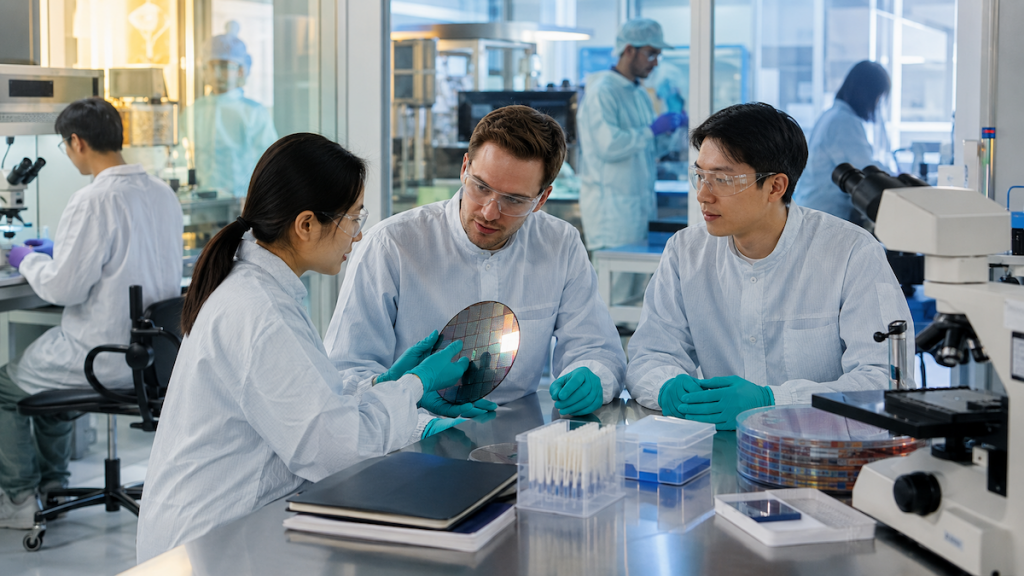
University cleanrooms and research facilities may buy smaller volumes than fabs, but their needs can be specialized and recurring. They also connect research, prototyping, workforce development, equipment testing, and industry partnerships.
For semiconductor R&D, Tempe is especially important because of Arizona State University’s MacroTechnology Works. The facility is part of ASU’s semiconductor research and prototyping infrastructure. ASU and Applied Materials also announced a $270 million Materials-to-Fab Center tied to semiconductor research, development, and prototyping.
Here, Applied Materials is relevant because of its research partnership with ASU. For cleanroom supply vendors, the main angle is lab and prototyping support: gowns, gloves, wipes, swabs, sticky mats, ESD-safe lab supplies, and clean packaging used around shared research tools and prototype workflows.
In this type of environment, cleanroom supplies may support students, researchers, engineers, shared equipment areas, and prototype workflows. Good signals include research funding, CHIPS-related activity, new equipment, industry partnerships, lab hiring, and cleanroom expansion.
Sales teams can also watch broader ASU Research Park activity in Tempe, especially projects tied to semiconductor R&D, prototyping, advanced materials, and equipment partnerships.
University and research environments usually need a more technical and flexible approach. Product approval, training support, smaller recurring orders, multi-user lab workflows, and compatibility with shared equipment areas may matter more than high-volume supply alone. The right message should show that the supplier understands both cleanroom requirements and research-use flexibility.
Industrial, Safety, and Cleanroom Product Distributors
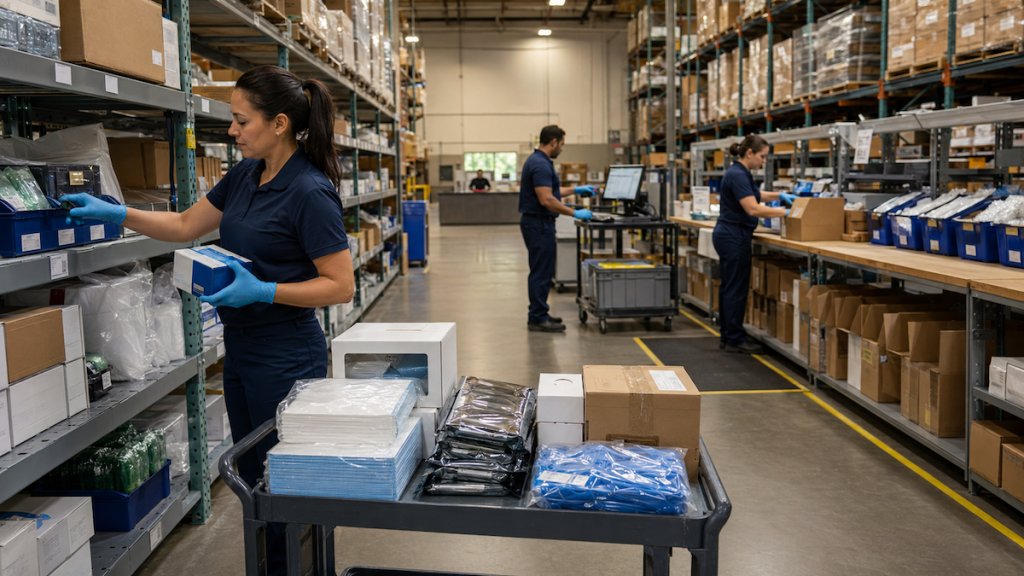
Distributors matter because many local buyers prefer existing supply channels, local stock, vendor-managed inventory, and repeat purchasing support. For cleanroom supply manufacturers, this group may be a channel opportunity.
Local distribution is another path into the market. Mallory Safety and Supply, which has a Phoenix branch, lists cleanroom and lab supplies among its product categories. Mallory is a national safety and industrial supply distributor, and its Phoenix presence makes it useful for suppliers of gloves, garments, wipes, PPE, ESD products, sticky mats, and lab supplies looking for local distribution paths. Useful signals include category expansion, vendor partnership announcements, local sales hiring, branch activity, and semiconductor customer references.
Western Paper Distributors gives the Phoenix market another distribution example, especially around cleaning, packaging, and facility supply categories. It operates as a regional distributor, with Phoenix-area relevance through facility supplies, cleaning products, and packaging categories. It may be more relevant for cleanroom-compatible mops, wipes, janitorial products, packaging supplies, and maintenance consumables. Product-level verification would be useful before positioning it as a semiconductor-specific distributor.
Distributor conversations should focus on channel value. Product availability, margin potential, local demand, category gaps, vendor support, and existing safety, lab, cleanroom, or industrial customer relationships are all useful angles to evaluate. For cleanroom supply manufacturers, Phoenix-area distributors may help reach smaller buyers that prefer local stock and familiar purchasing channels.
Semiconductor Equipment Service Providers
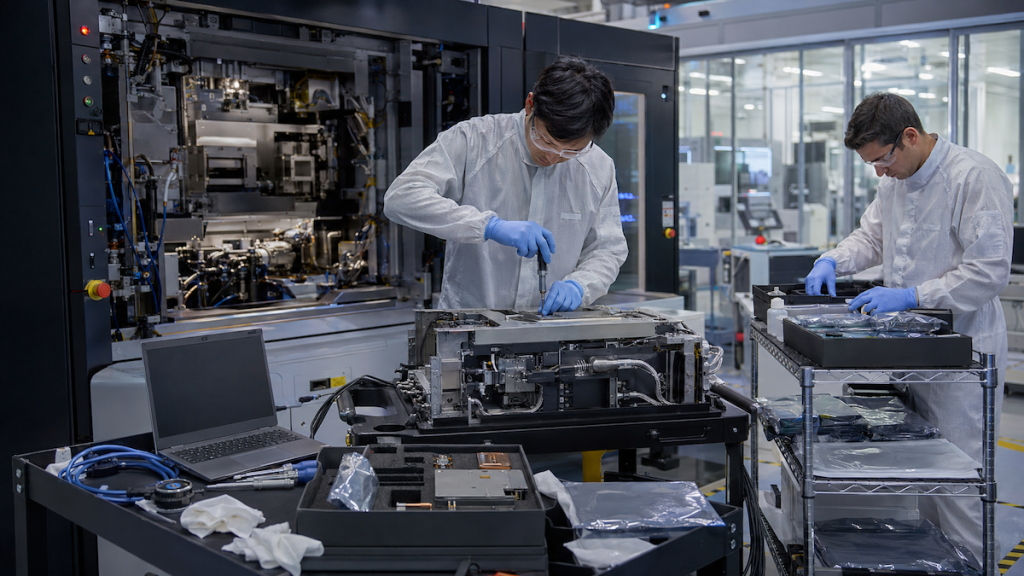
Equipment companies and service providers operate close to fabs, packaging facilities, and labs. They may use cleanroom supplies during tool assembly, refurbishment, installation, testing, field service, and parts handling.
Scottsdale is becoming more visible in the equipment layer through ASM America’s expansion. As a semiconductor equipment company focused on deposition technologies, ASM may be a useful research sample for cleanroom-compatible R&D, demo environments, tool testing, assembly, and service operations. Public reporting describes ASM’s Scottsdale project as a $300 million North American headquarters expansion with a 250,000-square-foot facility.
Applied Materials was mentioned earlier because of its ASU partnership. In this equipment service group, the focus is its role as a global semiconductor equipment supplier. Equipment companies may create cleanroom supply needs through tool testing, installation support, demo environments, service engineering, field support, and ESD-safe parts handling. For sales teams, this angle is closer to service readiness, technician supplies, parts protection, and tool-area cleaning than university lab purchasing.
The service and refurbishment side is represented by Phoenix-based Entrepix, which provides CMP equipment, parts, field service, refurbishment, and semiconductor-related contract manufacturing. Its local presence makes it worth reviewing for equipment cleaning, ESD-safe parts packaging, gloves, wipes, and technician PPE. Demand signals may include refurbishment demand, field service hiring, parts inventory growth, new service contracts, and semiconductor customer expansion.
Equipment service companies are more likely to respond to messages around service readiness and parts protection. Clean handling, ESD-safe packaging, technician PPE, wipes, gloves, and reliable consumables can all support tool maintenance, refurbishment, and field service workflows. The strongest angle is to connect products with uptime, parts care, and technician efficiency.
Turning Local Research Into Prospecting
B2B sales teams studying Phoenix should start by separating buyer groups according to how they may use cleanroom supplies. A fab, a packaging facility, a cleanroom contractor, a university lab, and a distributor may all appear in the same semiconductor ecosystem, while each group has a different reason to care.
A useful workflow can start with four layers. First, identify the facility type. Second, match the likely product use cases. Third, check timing signals such as hiring, expansion, construction, certification, or new equipment. Fourth, map the most relevant contact roles.
Fabs and advanced packaging facilities usually belong near the top of the list because their cleanroom needs are tied to recurring operations, controlled access, gowning, ESD protection, and production scale. These accounts may be worth prioritizing when there are signs of production ramp-up, cleanroom staffing, EHS activity, new equipment, or supplier qualification. A cleanroom glove supplier, for example, may want to prioritize fabs and packaging sites first because glove use, gowning, and clean entry routines are tied to daily operations.
Contractors and facility service providers should be evaluated with timing in mind. A company involved in cleanroom build-out, retrofit, certification, maintenance, or garment services may become more relevant when there is a project milestone or service expansion. Useful signals include cleanroom construction, ISO certification, facility maintenance hiring, cleanroom laundry capacity, or new local service contracts.
Distributors and equipment service providers require a different type of sales path. Distributors may be evaluated as local channel partners, while equipment service companies may be studied for field service supplies, clean parts handling, and ESD-safe packaging. For these groups, sales teams should look at product catalogs, local branches, service capabilities, vendor partnerships, parts inventory, and engineering hiring.
A practical prioritization method is to build separate lists first, then rank companies by signals. One list could cover fabs and packaging companies. Another could cover cleanroom contractors and service providers. A third could focus on distributors. A fourth could track equipment and refurbishment companies. After that, sales teams can score each company by local relevance, facility scale, cleanroom exposure, recent expansion, hiring activity, and likely decision-maker accessibility.
This approach keeps prospecting grounded. The goal is to identify which companies deserve research first, what product angle fits each group, and which signal makes the timing more relevant.
How Futern Helps B2B Sales Teams Move From Research to Outreach
Futern helps B2B sales teams turn a market map like this into a working prospecting plan. For a cleanroom supply vendor, the first step is usually a structured search across target lists: fabs, advanced packaging companies, cleanroom contractors, facility service providers, precision manufacturers, research facilities, distributors, and equipment service companies.
Each list needs different information. Fabs may require facility, EHS, procurement, and cleanroom operations contacts. Distributors may require branch managers, category managers, and vendor partnership leads. University facilities may be better matched with lab managers, research operations teams, and procurement coordinators. Equipment service companies may point to service operations, quality, supply chain, and field service roles.
Futern can help teams enrich company information, identify relevant contacts, review company scale, check business descriptions, collect website and LinkedIn details, and monitor signals. A sales team could build one list for Phoenix-area fabs, another for cleanroom contractors, another for distributors that already carry safety or lab supplies, and another for equipment service providers.
The outreach angle can then change by group. Fab messaging can focus on supply reliability, product consistency, cleanroom consumable planning, and support for high-frequency operational use. Contractor messaging can focus on project delivery and gowning area readiness. Distributor messaging can focus on product line expansion and local customer demand. Equipment service messaging can focus on ESD-safe parts handling, technician supplies, and service readiness.
This turns market research into a clearer sales workflow: which companies to study, why they matter, who to contact, what signal to use, and which product angle should lead the first message.
Conclusion
Phoenix is a strong market for semiconductor cleanroom supplies because the regional ecosystem covers wafer fabrication, advanced packaging, research, equipment, materials, construction, services, and distribution.
For B2B sales teams, the value comes from separating those buyer groups clearly. A fab operations leader, university lab manager, cleanroom contractor, distributor, and equipment service manager will care about different product details.
When sales teams understand each buyer group separately, Phoenix becomes easier to turn from a broad semiconductor market into a focused prospecting plan.
Restaurant Packaging Supplies in Greater Los Angeles: 8 Buyer Groups for B2B Sales Teams
Hotel Amenities in Miami: 8 Target Buyer Segments for B2B Sales Teams
AI Vision Inspection Systems in Chicago: 8 Target Industries for B2B Sales Teams